Time: Popularity:0times
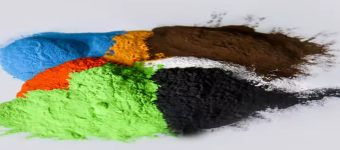
Architectural materials powder coatings are functional powder coatings used for the surface protection and decoration of building materials such as doors and windows, curtain walls, railings, and steel structures.
This article systematically introduces the definition, characteristics, functions, selection considerations, and solutions to common problems associated with architectural materials powder coatings. It focuses particularly on the specific functions of architectural materials powder coatings to help readers better understand what they are, their characteristics, and their applications.
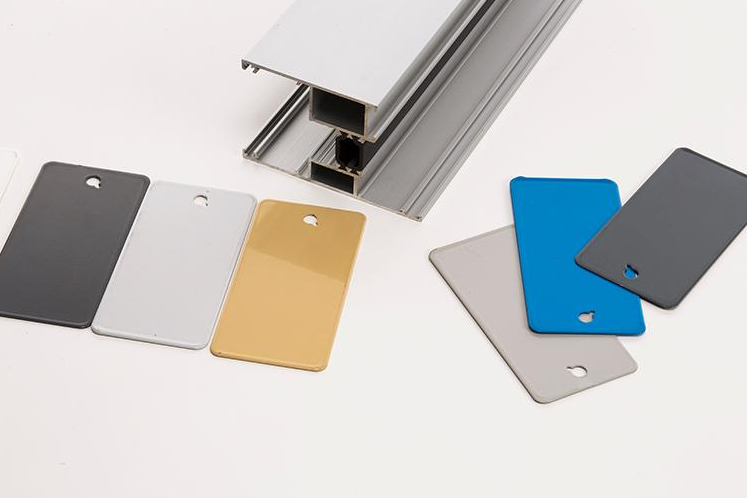
Architectural materials powder coatings are coatings made primarily from thermosetting resins, such as polyester, epoxy, and fluorocarbon resins, combined with pigments, fillers, and additives to form a solid powder. The powder is electrostatically sprayed onto the surfaces of architectural metal substrates. It is then heated at high temperatures to melt, flow, and cure, forming a continuous protective coating. These coatings contain no solvents and produce extremely low VOC emissions, making them environmentally friendly coatings.
The main characteristics of architectural materials powder coatings are as follows:
Corrosion and Rust Protection: The coating is dense and free of pinholes, effectively isolating moisture, oxygen, and corrosive substances. Combined with appropriate pretreatment, it can provide long-term protection for metal substrates.
Chemical Resistance: Resistant to acids, alkalis, salt spray, and contamination, making it suitable for exposure to rainwater, salt spray, and atmospheric corrosion in architectural environments.
High Mechanical Strength: Features strong adhesion, high hardness, impact resistance, and abrasion resistance, meeting the processing and long-term service requirements of architectural components.
UV Resistance: Pure polyester and fluorocarbon coating systems offer excellent weather resistance. They can withstand long-term outdoor exposure without fading, chalking, or losing gloss.
Resistance to Temperature Variations: Withstands seasonal temperature fluctuations, sunlight, and rain without cracking or peeling.
Long-Term Protection: High-performance fluorocarbon powder coatings can provide weather resistance for more than 15–20 years, reducing maintenance costs.
Solvent-Free and Low VOC: Contains no volatile organic solvents and produces almost no harmful gas emissions during application and curing.
Environmentally Friendly: Complies with environmental regulations and green building requirements. Oversprayed powder can be recovered and reused, resulting in a high utilization rate.
The main functions of architectural materials powder coatings are reflected in the following aspects:
1. Protective Functions
Corrosion and Rust Protection: The dense coating isolates moisture, oxygen, and corrosive substances, protecting metal substrates such as doors and windows, curtain walls, and steel structures from corrosion.
Weather Protection: Resists UV radiation, rainwater, temperature fluctuations, and atmospheric pollution, preventing chalking, fading, and cracking during long-term outdoor use.
Chemical Corrosion Resistance: Resistant to acids, alkalis, and salt spray, making it suitable for harsh architectural environments such as coastal areas and industrially polluted locations.
Mechanical Protection: High hardness, abrasion resistance, and impact resistance help reduce scratches and damage during transportation, installation, and use.
2. Decorative Functions
Enhancing Architectural Appearance: A wide range of colors and adjustable gloss levels enhance the visual appeal and overall quality of components such as doors, windows, curtain walls, and railings.
Various Textures and Finishes: Textures and finishes such as sand-textured, matte, and metallic effects meet the requirements of different architectural styles.
Color Identification: Colors can be used to distinguish functional areas or display brand identities, enhancing the overall visual coordination of buildings.
When selecting architectural materials powder coatings, we may face difficulties in determining which products are suitable. Based on our industry experience, we recommend focusing on the following key factors:
1. Consider the Application Environment
Indoor Applications: Choose polyester/epoxy hybrid powder coatings for environmental friendliness, good adhesion, and controllable costs.
Outdoor Applications: Choose pure polyester powder coatings. For high-end curtain wall projects, choose fluorocarbon powder coatings for weather and UV resistance, together with a compatible anti-corrosion primer powder.
Coastal Areas/Industrially Polluted Environments: Strengthen salt spray and chemical resistance requirements and upgrade the pretreatment process accordingly.
2. Consider the Substrate
Aluminum Alloy: Use chromating or chromium-free passivation pretreatment, and select polyester powder coatings with good adhesion to aluminum. Fluorocarbon powder coatings are recommended for curtain walls.
Carbon Steel/Steel Structures: Use phosphating or sandblasting pretreatment, together with an epoxy primer powder and polyester topcoat powder system.
Galvanized Steel: Choose powder coatings specifically formulated for galvanized steel to prevent blistering and peeling.
3. Consider Performance and Appearance
Weather Resistance: For outdoor applications, choose pure polyester or fluorocarbon powder coatings and ensure that they meet the required weather resistance test standards.
Corrosion Resistance: Use an epoxy primer powder and polyester topcoat powder system, with salt spray resistance of ≥500–1000 hours.
Decorative Requirements: High-gloss finishes are easy to clean, while matte and sand-textured finishes provide a premium appearance. For curtain walls, choose powder coatings with good flow and uniform color.
Special Functions: Select special-purpose coatings according to actual requirements, such as antibacterial coatings for hospitals and schools or anti-slip coatings for stair treads.
4. Consider Application and Verification
Control the coating thickness within 60–120 μm and ensure that the curing temperature is compatible with the substrate. For projects involving frequent color changes in batch production, consider the associated costs.
Request test reports covering adhesion, salt spray resistance, weather resistance, and environmental compliance. Conduct trial spraying on sample parts to verify coating flow and coverage at edges and corners.
The most common problems encountered when using architectural materials powder coatings are mainly reflected in the following aspects. Based on our industry experience, we have proposed corresponding solutions to help effectively address powder coating problems you may encounter.
1. Outdoor Fading, Chalking, and Loss of Gloss
Problem Description: After a period of outdoor use, coatings on doors, windows, curtain walls, railings, and other components may fade, chalk, or lose gloss. The color becomes lighter, the surface becomes rough, and protective performance deteriorates.
Possible Causes:
Epoxy or hybrid powder coatings are selected, but their weather resistance is insufficient.
Pigments have poor lightfastness, while heat absorption by dark-colored components accelerates aging.
No compatible anti-corrosion primer powder is used, resulting in premature coating failure.
Incomplete curing leads to insufficient crosslinking density.
Solutions:
Pure polyester powder coatings must be used for outdoor components. Fluorocarbon powder coatings are recommended for high-end curtain wall applications.
Select weather-resistant pigments and pay attention to heat absorption and aging in dark-colored components.
Use a compatible anti-corrosion primer powder and require suppliers to provide QUV/ xenon-arc weathering test reports.
Ensure complete curing and measure the actual surface temperature of the workpieces.
2. Coating Blistering and Pinholes
Problem Description: Bubbles and pinholes appear in coatings on aluminum profiles and steel structural components. After curing, raised areas or pits may form, damaging the appearance and protective performance.
Possible Causes:
Oil contamination and moisture remain after pretreatment.
The zinc layer on galvanized components reacts with the powder coating and releases gas.
The coating is too thick, preventing gas from escaping in time.
The temperature rises too quickly during curing.
Residual substances from aluminum profile extrusion have not been thoroughly removed.
Solutions:
Improve pretreatment to thoroughly remove oil, rust, and moisture.
Use powder coatings specifically formulated for galvanized components or a compatible primer powder, together with phosphating/passivation treatment.
Control coating thickness and use staged heating to allow gas to escape gradually.
Ensure that the oxide film and residual substances on aluminum profiles are properly removed during pretreatment.
3. Poor Adhesion, Paint Loss, and Peeling
Problem Description: The coating fails the cross-cut adhesion test, or paint loss and peeling occur during processing or use. This problem is particularly common with aluminum alloy and galvanized components.
Possible Causes:
Improper pretreatment of aluminum profiles, without chromating or passivation.
Poor compatibility between the powder coating and the substrate.
Incomplete curing results in insufficient crosslinking density.
Excessive coating thickness creates high internal stress.
The substrate surface is contaminated.
Solutions:
Apply chromating or chromium-free passivation pretreatment to aluminum components, and phosphating or specialized passivation treatment to galvanized components.
Select a powder coating system with good adhesion to the substrate.
Ensure complete curing and measure the actual workpiece temperature.
Keep the coating thickness within the process window and avoid excessive thickness.
4. Color Differences (Between Batches or Across Different Areas of the Same Component)
Problem Description: Color differences occur between different batches or between different areas of the same component. This is particularly noticeable on large architectural surfaces such as curtain walls and aluminum panels.
Possible Causes:
Pigment dispersion varies between powder coating batches.
Uneven coating thickness causes differences in color intensity.
Curing temperatures or times are inconsistent.
Inadequate cleaning during color changes allows powder of other colors to mix into the recovered powder.
Spraying parameters are inconsistent.
Solutions:
Require suppliers to ensure batch-to-batch consistency and conduct trial spraying and comparison before switching batches.
Maintain uniform coating thickness and use the same coating thickness for components in the same batch.
Maintain consistent curing temperatures and times.
Thoroughly clean the spray booth and powder recovery system during color changes, and standardize the use and mixing ratio of recovered powder.
Standardize spraying parameters and establish a color sample comparison system.
5. Poor Flow, Orange Peel, or Surface Particles
Problem Description: Coatings on high-appearance components such as curtain walls and aluminum panels have uneven surfaces, with defects such as orange peel, particles, and craters, affecting the decorative finish.
Possible Causes:
The powder coating has poor flow properties or has absorbed moisture and formed lumps.
The spray booth is not sufficiently clean, resulting in dust contamination.
The coating is too thin or too thick.
The temperature rises too quickly during curing, leaving insufficient time for flow and leveling.
The compressed air contains oil and moisture.
Solutions:
Choose powder coatings with good flow properties and protect them from moisture during storage.
Keep the spray booth clean and control environmental dust.
Maintain coating thickness within the specified process range.
Adjust the curing temperature profile to ensure sufficient flow and leveling time.
Purify the compressed air and remove oil and moisture.
Customized Powder Coating Solutions for Architectural Materials
We provide high-quality powder coatings for aluminum profiles, architectural curtain walls, metal doors and windows, railings, and various architectural metal components. Our products offer excellent weather resistance, corrosion resistance, adhesion, and decorative performance, effectively resisting damage caused by UV radiation, rainwater, and outdoor environmental exposure. They help architectural materials maintain a long-lasting attractive appearance and reliable protection.
With more than 20 years of experience in powder coating manufacturing, we can provide customized powder coating solutions based on the application environment, performance standards, and appearance requirements of different architectural projects. Contact us to obtain professional product recommendations and technical support!


Company Phone
+86-21-6420 0566
Working hours
Monday to Friday
Mobile phone:
13816217984
Email:
info@qinsun-lab.com