Time: Popularity:0times
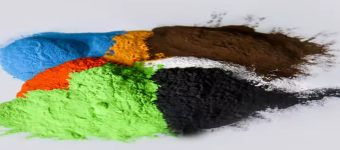
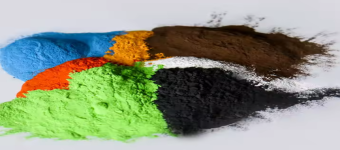
Automotive body powder coating is a thermosetting powder material specifically designed for surface coating of automotive bodies, including vehicle cabins, exterior panels, and chassis components. Based on its solvent-free and low-VOC environmental characteristics, it provides corrosion protection, mechanical strength, and decorative appearance to vehicle bodies through electrostatic spraying and oven curing. It is an environmentally friendly coating solution that replaces traditional liquid coatings.
This article systematically introduces the concept, characteristics, functions, applications, selection considerations, and solutions to common problems associated with automotive body powder coating. It focuses on the specific applications of automotive body powder coating to help readers better understand what automotive body powder coating is, as well as its characteristics and functions.
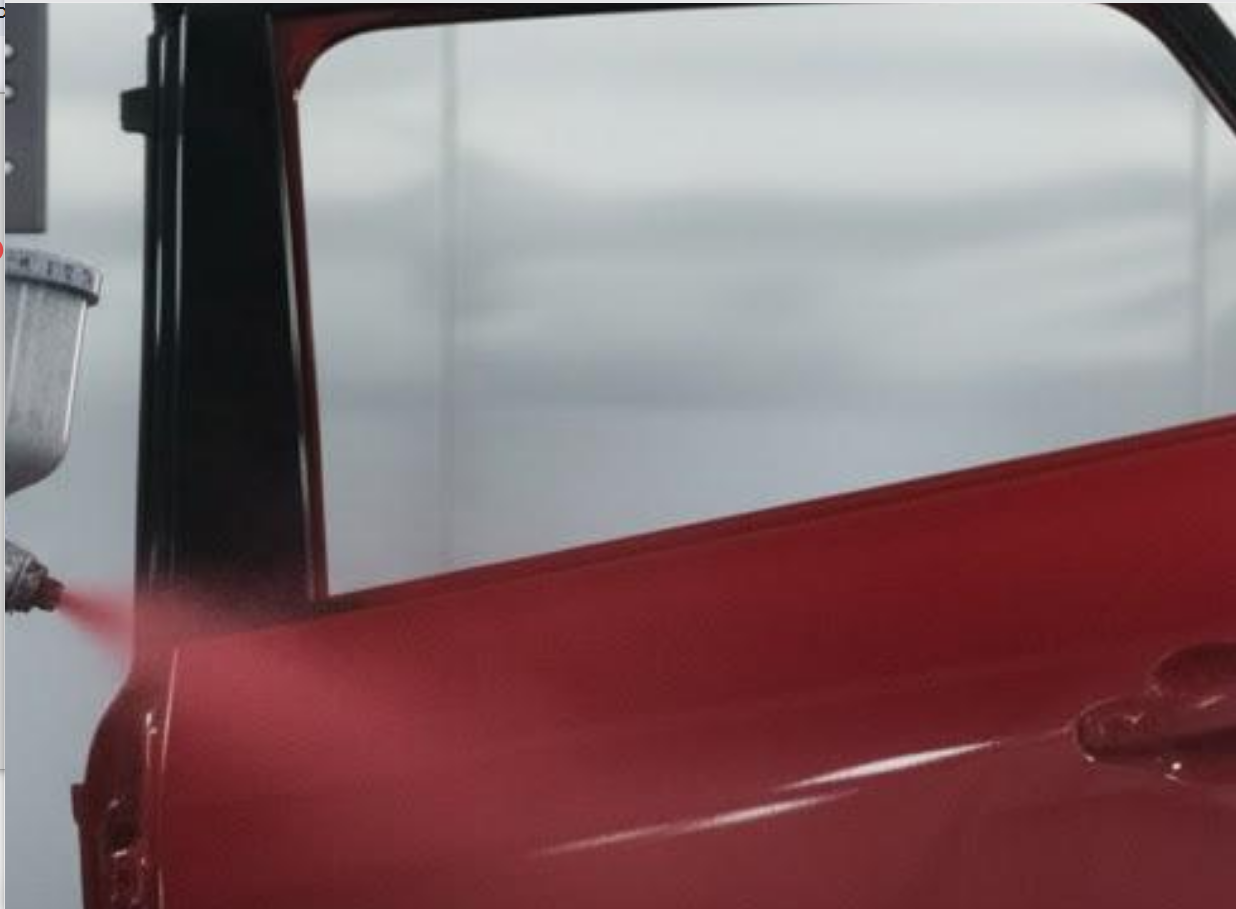
Automotive body powder coating is a type of thermosetting powder material based on thermosetting resins, such as acrylic and polyester, specifically designed for coating automotive bodies, including vehicle cabins and exterior panels. Its technical positioning is to replace traditional solvent-based coatings with a dry electrostatic spraying process while meeting the corrosion protection and decorative appearance requirements of vehicle bodies, thereby achieving an environmentally friendly body coating solution with near-zero VOC emissions.
The main characteristics of automotive body powder coating are as follows.
1. Excellent stone-chip resistance: Powder coatings used for automotive body intermediate coats can achieve stone-chip resistance better than Grade 3. effectively protecting the electrocoat primer from damage caused by road debris. Some formulations also have self-healing properties.
2. Strong thick-film protection: Powder coatings can produce relatively thick coatings in a single application, providing better coverage of minor surface imperfections in the substrate while enhancing corrosion resistance.
3. Weather resistance varies by system: Acrylic systems offer excellent gloss and color retention, making them suitable for decorative coatings on exterior body surfaces. Polyester systems provide good weather resistance, and some high-weatherability polyester coatings retain more than 80% of their gloss after over 60 months of exposure in Florida.
4. Environmental friendliness and high material efficiency: They are solvent-free, with near-zero VOC emissions. Oversprayed powder can be recovered and reused, resulting in high material utilization.
5. Good mechanical properties: The coating film has good flexibility, hardness, and adhesion, with excellent adhesion to both electrocoat primers and topcoats.
6. Meets chemical resistance requirements: It can withstand acidic and alkaline media, meeting the basic chemical protection requirements for automotive body coatings.
The main functions of automotive body powder coating are reflected in the following aspects:
1. Stone-chip protection: When used as an intermediate coat, the coating offers good elasticity and excellent flexibility, with stone-chip resistance better than Grade 3. Some formulations have self-healing properties, effectively cushioning the impact of road debris on the electrocoat primer.
2. Transitional bonding between coating layers: Located between the electrocoat primer and the topcoat, it provides good adhesion to both layers and fills minor irregularities in the electrocoat layer, creating a smooth substrate for the topcoat.
3. Ultraviolet isolation: The intermediate coat can block ultraviolet radiation from penetrating the coating system, protecting the underlying electrocoat layer from aging and degradation.
4. Clear coating and weather protection: When used as a clearcoat layer, it provides gloss, weather resistance, and protection against chemical attack on the outermost surface of the vehicle body. This application is still under research and development and has not yet been widely adopted in industrial production.
When selecting automotive body powder coating, we may face uncertainty about which product to choose. Based on our industry experience, we recommend focusing on the following aspects when selecting automotive body powder coating.
1. Determine the Resin System Based on the Functional Position of the Coating Layer
(1) Intermediate Coat (The Most Mature Application of Powder Coatings on Automotive Bodies)
The intermediate coat is located between the electrocoat primer and the topcoat. Its core functions are stone-chip resistance and transitional bonding. Polyester or polyester-epoxy hybrid systems are the primary powder coating systems suitable for this position.
Patent data indicate that combining carboxyl-terminated saturated polyester resin with toughened epoxy resin at a ratio of approximately 60:40 to 66.5:33.5 produces a coating film with excellent adhesion to both electrocoat primers and topcoats. It also provides a combination of flexibility, hardness, and acid and alkali resistance, along with good elasticity, stone-chip resistance better than Grade 3. and a certain degree of self-healing capability.
These formulations have been validated against corresponding intermediate-coat technical requirements at major domestic automotive manufacturers. When selecting a product, particular attention should be paid to its compatibility and adhesion with the electrocoat primer rather than relying solely on the powder coating's conventional performance indicators.
(2) Topcoat or Clearcoat Layer (Requires Careful Evaluation and Has Not Yet Been Widely Adopted)
If the target application is a topcoat or clearcoat layer, acrylic systems are a potential option. Acrylic powder coatings offer excellent weather resistance and outstanding gloss and color retention, making them suitable for decorative coatings on the exterior surfaces of passenger cars and trucks.
Acrylic powders have already been used in automotive intermediate-coat and clearcoat applications overseas. The market share of acrylic powder coatings in the North American automotive sector increased from approximately 1% in 1992 to approximately 3% in 1994.
However, one key limitation must be considered during selection: acrylic powder coatings differ significantly from epoxy and polyester systems in terms of surface tension. If other powder coating systems are used on the same coating line, cratering may occur. Therefore, acrylic systems require a dedicated coating line.
This means that selecting an acrylic topcoat or clearcoat is not merely a material decision but also an investment decision involving the production line. In addition, acrylic powder coatings are relatively expensive and have certain limitations in application performance.
2. Never Choose Pure Epoxy for Outdoor Exposed Surfaces
Epoxy powder coatings offer excellent chemical resistance and adhesion, but they have poor ultraviolet stability and will chalk when exposed to sunlight. Since exterior automotive body surfaces are exposed to sunlight over long periods, selecting a pure epoxy system for this application is fundamentally inappropriate, regardless of how strongly the supplier emphasizes its corrosion protection capabilities.
3. Key Data That Must Be Confirmed with the Supplier
Compatibility and adhesion with the electrocoat primer: In an automotive coating system, the powder coating layer is applied directly over the electrocoat layer. Interlayer adhesion is the foundation of the reliability of the entire coating system. Flat-panel data in the technical data sheet (TDS) for intermediate-coat powder coatings cannot replace actual adhesion test results obtained on electrocoated panels.
Curing window and production line compatibility: Typical baking conditions for powder intermediate coatings are 160–180°C for 15 minutes. If the production line's oven conditions fall outside this range, the curing tolerance of the powder coating must be confirmed to avoid reduced interlayer bonding caused by insufficient curing.
Whether the appearance grade meets the requirements of the target vehicle model: Powder coatings have poorer flow and leveling properties than liquid coatings. If extremely high automotive appearance standards are required, such as a high-gloss mirror finish, trial spraying on actual workpieces should be conducted for verification before selecting the powder coating. For intermediate coats, appearance requirements are relatively less stringent because they are covered by the topcoat.
The most common problems encountered when using automotive body powder coating are mainly reflected in the following aspects. Based on our industry experience, we propose corresponding solutions to help effectively resolve the powder coating problems you may encounter.
1. Orange Peel in Powder Clearcoat: Migration of Amine Compounds Impedes Flow and Leveling
Problem description: When powder clearcoat is applied over a waterborne basecoat, an orange-peel-like uneven surface appears after curing, preventing the coating from achieving the mirror-like smoothness of liquid clearcoat.
Possible cause: Residual amine compounds in the waterborne basecoat migrate into the powder clearcoat during baking. They catalyze the crosslinking reaction under alkaline conditions, causing the clearcoat viscosity to increase prematurely. This shortens the flow and leveling window, and minor irregularities in the underlying layer are effectively frozen in place before they can be leveled.
Solution: Extend the flash-off time after applying the waterborne basecoat to allow the amine compounds to evaporate sufficiently, or select a powder clearcoat formulation that is insensitive to amine catalysis.
2. Loss of Adhesion at Laser-Cut Edges
Problem description: Powder coatings exhibit poor adhesion at the laser-cut edges of automotive sheet metal. The coating at these edges is prone to peeling, and corrosion begins at these locations.
Possible cause: Laser cutting leaves a blue oxide layer on carbon steel edges. Conventional phosphating treatments cannot penetrate this oxide layer to form an effective conversion coating, resulting in insufficient bonding between the powder coating and the substrate.
Solution: Introduce strong-acid etching before phosphating to attack the oxide layer, or use nitrogen-assisted laser cutting to reduce oxide formation. Mechanical grinding of the cut edges is also an option.
3. Concentrated Coating Failures in Welded Areas
Problem description: Coating failures are concentrated around weld seams, joints, and heat-affected zones. Even when other parts of the component perform well, welded areas remain weak points.
Possible cause: Welded areas have surface contamination, such as grease and welding slag, complex geometries, and variations in thermal history. These factors make the pretreatment effectiveness and coating adhesion in these areas inherently weaker than those on flat sheet metal surfaces.
Solution: Strengthen degreasing and rinsing in welded areas to ensure that welding slag and contaminants are thoroughly removed. Address the compatibility between sheet metal welding processes and coating pretreatment rather than relying solely on adjustments to the powder coating itself.
4. Orange Peel on Automotive Body Panels: Imbalance Between Film Thickness and Curing Dynamics
Problem description: Powder coatings on highly visible, flat automotive body panels exhibit insufficient flow and leveling, and the surface texture fails to meet automotive appearance requirements.
Possible cause: Excessive film thickness is the most common cause. When too much powder is applied, the coating begins to gel before sufficient leveling time is available. The melting stage is shortened, and the surface texture becomes locked in place without being able to self-level during curing.
High-voltage settings can worsen uneven powder distribution, causing localized peaks and valleys to persist throughout the curing process. Rapid heating during curing or failure to reach the required metal temperature of the workpiece can also cause the leveling window to close prematurely.
Solution: Reduce the overall film thickness and tighten the spraying parameters by lowering the gun voltage and maintaining stable gun speed and overlap. Use an oven temperature profiler to measure the actual metal temperature of the workpiece rather than relying solely on the oven air temperature, ensuring sufficient leveling time before crosslinking begins.
Automotive Body Powder Coating — Professional Automotive Coating Solutions
To meet the coating requirements of automotive bodies and related metal components, we provide professional automotive powder coating solutions that focus on adhesion, corrosion resistance, weather resistance, stone-chip resistance, and surface smoothness. Our solutions are designed to meet the stringent automotive coating requirements for durability, appearance consistency, and process compatibility.
Contact us to obtain customized powder coating products, professional product selection recommendations, and technical support, providing reliable surface protection and appearance solutions for automotive body coating applications.


Company Phone
+86-21-6420 0566
Working hours
Monday to Friday
Mobile phone:
13816217984
Email:
info@qinsun-lab.com