Time: Popularity:0times
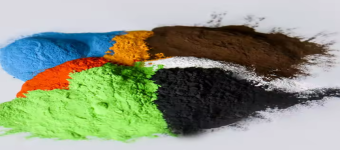
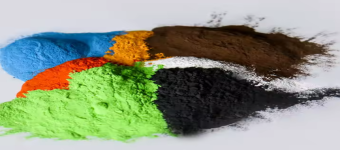
Morandi color powder coating refers to decorative powder coating characterized by the Morandi color palette, featuring low saturation and soft gray tones to create an elegant and understated visual effect.
This article systematically introduces the concept, characteristics, functions, applications, selection considerations, and common problem-solving measures of Morandi color powder coating, with a focus on the specific applications of Morandi color powder coating, to help you better understand what Morandi color powder coating is, as well as its characteristics and functions.
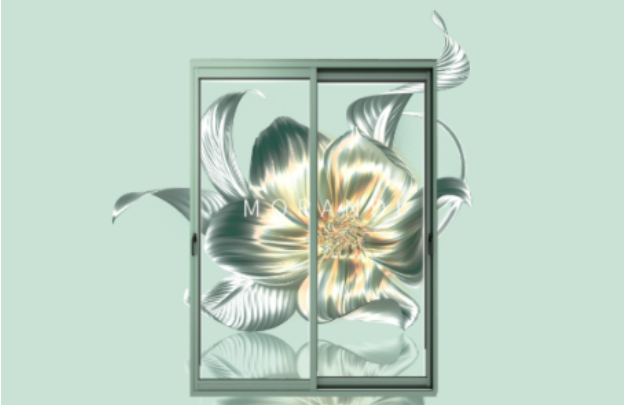
Morandi color powder coating is a type of decorative powder coating inspired by the color system of Italian painter Giorgio Morandi's still-life paintings. Its core characteristic is the blending of gray into basic hues to create low-saturation, soft, and elegant "sophisticated gray" tones.
The main characteristics of Morandi color powder coating are as follows.
1. Color Stability and Durability
(1) High Color Fastness: The coating does not fade or turn white under high temperatures or sunlight, and the coating texture remains uniform and fine. This means that although Morandi colors feature soft tones, their weather resistance is not compromised by their "low saturation," making them suitable for various indoor and outdoor applications.
(2) Long-Lasting Color: It maintains the excellent gloss and color retention properties of powder coating itself and can continue to maintain a visual character that is "calm, soothing, simple, and elegant" after long-term use.
2. Surface Texture and Tactile Feel
(1) Soft-Touch Metallic Texture: The Morandi series is usually combined with a "soft-touch metallic" process, giving the coating a fine tactile feel while maintaining a visually soft appearance.
(2) Uniform and Fine Texture: Whether in a matte or metallic finish, the coating surface has a uniform texture without being rough or mottled.
The main functions of Morandi color powder coating are reflected in the following aspects:
1. Aesthetic and Decorative Function
(1) Creating an Elegant and Understated Visual Effect: Through low-saturation, soft gray-toned colors, it reduces the emotional impact of strong colors and gives products a calm, peaceful, and understated character.
(2) Enhancing Product Grade: The Morandi color palette itself carries a "sophisticated" aesthetic and can significantly enhance the perceived appearance quality of products such as doors, windows, curtain walls, and home appliances.
(3) Enriching Design Language: It provides designers with color options different from traditional high-saturation colors and is suitable for various design styles, including modern minimalist, Nordic, and Wabi-sabi styles.
2. Protective and Functional Properties
(1) Providing Coating Protection: As a powder coating, it also provides the basic functions of protecting the substrate, including corrosion resistance, weather resistance, and wear resistance.
(2) Stable and Durable Color: It does not fade or turn white under high temperatures or sunlight and maintains a soft and elegant visual appearance over the long term.
(3) Fine Surface Texture: The coating texture is uniform and fine. Some products incorporate a soft-touch metallic process, combining a soft visual appearance with a fine tactile feel.
Where is Morandi color powder coating used? Its specific application range is as follows:
1. Architectural Doors, Windows, and Curtain Walls
Morandi colors are positioned as one of the "popular colors for high-end architectural aluminum powder coating" and are mainly used for product upgrades by aluminum profile and door and window manufacturers.
2. Home Appliances
The Morandi series is listed among the new popular colors for high-end home appliance powder coatings and is applied to high-end products such as washing machines, refrigerators, electric water heaters, range hoods, and dishwashers.
3. Personal Consumer Products
Morandi colors are also used for personal products such as vacuum-insulated cups. Low-saturation matte powder coating combined with spraying processes creates a soft gradient effect, focusing on "high aesthetic appeal" and "distinctive appearance" to meet the personalized needs of younger consumers and trend-conscious users.
When selecting Morandi color powder coating, we may face the problem of not knowing how to choose. Based on our industry experience, we recommend focusing on the following aspects when selecting Morandi color powder coating.
1. Identify the Resin System According to the Application Scenario
The Morandi color palette covers two major application scenarios, architecture and home appliances, and the resin selection is completely different:
(1) Outdoor Architecture (Doors, Windows, and Curtain Walls): Architectural-grade polyester powder coating must be selected. The Morandi series has been used for aluminum profiles of doors and windows and curtain wall applications. For outdoor use, it should be confirmed that the product has Qualicoat/GSB certification to ensure long-term resistance to chalking and fading.
(2) Indoor Home Appliances/Home Furnishings: Epoxy-polyester hybrid or polyester systems can be selected. The Morandi series is positioned as having a "luxury metallic soft-touch" effect in the home appliance sector and is used for panels of washing machines, refrigerators, and other products. Top-level weather resistance is not required for indoor environments, but chemical and wear resistance should be considered.
2. Confirm the Compatibility Between Color and Soft-Touch Process
The "sophisticated" character of Morandi colors comes from the combination of low-saturation gray tones and a soft-touch metallic texture. When selecting a product, the following should be confirmed:
(1) Bonding Process as a Prerequisite: The Morandi series is usually combined with a high content of metallic powder (more than 3%) and a bonding process to solve the problem of separation between metallic pigments and the base powder. The dry-blending process cannot guarantee the uniformity and color stability of the soft-touch metallic effect.
(2) Soft-Touch Effect Needs to Be Verified: Soft-touch metallic effects have high requirements for powder leveling and curing control. It is recommended to ask the supplier to provide soft-touch samples and conduct trial spraying on the target coating line to confirm tactile feel and visual uniformity.
(3) Color Stability: Although Morandi colors have low saturation, it is necessary to ensure that they "do not fade or turn white under high temperatures or sunlight." Architectural powder coatings for outdoor use inherently provide excellent color and gloss retention, while requirements for indoor applications can be appropriately relaxed.
The most common problems encountered when using Morandi color powder coating are mainly reflected in the following aspects. Based on our industry experience, we propose corresponding solutions to help effectively solve powder coating problems you may encounter.
1. Color Appearing Too White/Gray/Distorted
Problem: The coating color appears whiter, grayer, or muddier than the standard panel, losing the soft gray-toned layering characteristic of Morandi colors.
Possible Causes: Insufficient film thickness causes the substrate color to show through, especially because Morandi colors such as light gray and haze blue are sensitive to hiding power; excessive baking causes the coating to yellow or change color, with white and light-colored powders being particularly sensitive to over-baking; combustion products or contaminated air inside the curing oven are drawn in, causing the coating to become "milky" or change color.
Solutions: Ensure that the film thickness reaches the recommended value (usually ≥70 μm). Morandi colors are recommended to be applied slightly thicker to ensure adequate hiding; verify the curing curve using the metal temperature of the workpiece to avoid over-baking; clean the curing oven and increase exhaust ventilation to prevent contaminated air from entering.
2. Uneven/Rough Soft-Touch Texture
Problem: The coating surface does not have a fine soft-touch feel, with localized roughness, a granular texture, or inconsistent gloss, damaging the "simple and elegant" visual character of the Morandi color palette.
Possible Causes: Uneven dispersion of soft-touch polymers (soft-touch additives) during extrusion, resulting in an uneven matte appearance after curing; poor powder particle size distribution, with coarse particles causing surface roughness during thin-film application; insufficient film thickness (<70 μm), preventing the soft-touch effect from being fully expressed.
Solutions: Select powder products with well-dispersed soft-touch additives; control the film thickness at 70–80 μm or above to ensure that the soft-touch effect is fully developed; verify whether the powder particle size distribution is suitable for the soft-touch process.
3. Abnormal Gloss (Matte Becoming Glossy/Glossy Becoming Matte)
Problem: Morandi colors are usually combined with matte or low-gloss soft-touch effects, but the actual coating has excessively high or low gloss, deviating from the intended design.
Possible Causes: Changes in curing conditions (deviation in baking time/temperature) cause gloss variation; differences between powder batches or an excessively high proportion of reclaimed powder affect the matte effect; uneven film thickness causes visual differences in gloss.
Solutions: Strictly follow the curing window recommended by the supplier; control the blending ratio of reclaimed powder (recommended new powder content of no less than 70%); ensure uniform film thickness and avoid areas that are locally too thick or too thin.
4. Color Difference Appearing Only Under Specific Light Sources (Metamerism)
Problem: The color matches under the lighting in the coating workshop, but after installation, a noticeable color difference appears under natural light or different light sources, resulting in customer complaints that the product "does not match the approved panel."
Possible Causes: Morandi colors contain multiple blended pigments. Differences in spectral reflection under different light sources are amplified, resulting in metamerism; different light sources are used by the coating factory, customer, and installation site for color evaluation, leading to differences in perception.
Solutions: Confirm the color under multiple light sources (D65 daylight, indoor lighting, and outdoor natural light) before approving the color panel; ensure that the standard panel accompanies the project throughout all stages and that all parties use the same reference; confirm with the powder supplier whether the pigment system is sensitive to metamerism.
If you encounter difficult problems during the use of Morandi color powder coating, please feel free to contact us at any time for professional technical support. We can work together to discuss solutions and promote the development of the powder coating industry.
We hope this article can provide you with a professional and reliable reference for the powder coating industry. We sincerely welcome you to consult us regarding product performance, industry standards, application methods, precautions, or any other questions related to powder coating products. We look forward to hearing from you through a message or by contacting us directly, so that we can provide you with more detailed product information, demonstration videos, or customized solutions to help you fully understand the functions and advantages of our products.


Company Phone
+86-21-6420 0566
Working hours
Monday to Friday
Mobile phone:
13816217984
Email:
info@qinsun-lab.com