Time: Popularity:0times
High Weather-Resistance Powder Coatings deliver long-lasting protection and decoration for outdoor metal substrates through exceptional UV resistance, excellent color retention, and strong resistance to chalking. They significantly extend service life up to 20+ years while reducing full lifecycle maintenance costs.
This article systematically introduces the concept, characteristics, functions, application fields, selection considerations, and common problem-solving methods of high weather-resistance powder coatings, with a focus on their weathering performance. It aims to help readers better understand what high weather-resistance powder coating is, what functions it provides, and where it is applied.
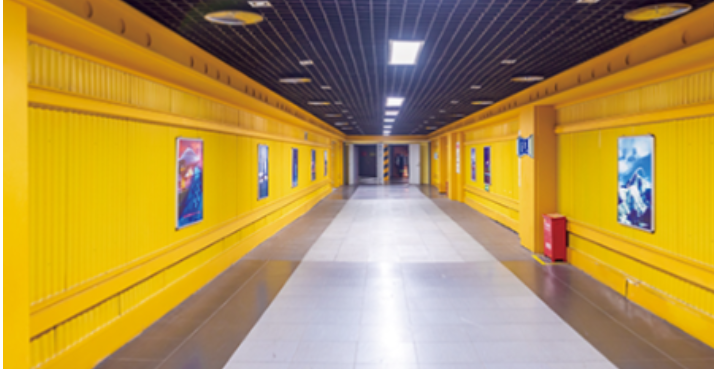
High weather-resistance powder coating is an environmentally friendly coating system specifically designed for long-term outdoor exposure environments. Its core feature is outstanding resistance to ultraviolet (UV) degradation, enabling the coating to maintain color, gloss, and mechanical properties over extended outdoor exposure without fading, chalking, or cracking.
The main characteristics are as follows:
1. Exceptional UV resistance
By incorporating high-performance ultraviolet absorbers (UVA) and hindered amine light stabilizers (HALS), the coating effectively absorbs and neutralizes UV radiation, preventing photodegradation.
2. Long-lasting gloss and color retention
Even after prolonged outdoor exposure, the coating maintains high gloss and vibrant color without fading or chalking. Premium PVDF systems can achieve over 30 years of chalk resistance, while super durable polyester systems typically reach 10–15 years of service life.
3. Excellent weather durability
The coating resists temperature fluctuations, acid rain, humidity, and other environmental stresses without cracking or peeling, maintaining long-term protective integrity.
4. Stable mechanical performance
Hardness, adhesion, and flexibility remain stable over long-term outdoor service without significant degradation.
5. Multiple system options
Depending on cost and service life requirements, options include PVDF (premium, 30+ years), super durable polyester (cost-effective, 10–15 years), and acrylic systems (high gloss appearance).
Functions of High Weather-Resistance Powder Coating
The main functions are as follows:
1. Resistance to photoaging
Effectively prevents UV-induced degradation through UV absorbers and stabilizers, avoiding fading, loss of gloss, and chalking.
2.Protection against climate erosion
Protects metal substrates from acid rain, humidity, and temperature cycling, ensuring the coating remains intact without cracking or peeling.
3. Long-term decorative performance
Maintains color and gloss over 10–30 years of outdoor exposure, significantly reducing maintenance and recoating costs.
Application Fields of High Weather-Resistance Powder Coating
High weather-resistance powder coatings are widely used in applications requiring long-term outdoor exposure and strict color stability requirements:
1. Construction and building materials
Aluminum curtain walls, window profiles, roofing systems, outdoor railings, and architectural grilles. PVDF systems are commonly used for AAMA 2604/2605 certified projects.
2. Transportation infrastructure
Highway guardrails, bridge steel structures, railway noise barriers, airport terminals, and high-speed rail shelters.
3. Energy and power industry
Wind turbine towers and nacelles, solar mounting systems, and outdoor electrical equipment enclosures.
4. Municipal and public facilities
Streetlight poles, bus shelters, traffic signal poles, park benches, and outdoor fitness equipment.
5. General outdoor industrial applications
Outdoor furniture, agricultural machinery, and construction equipment components.
How to Select High Weather-Resistance Powder Coating
When selecting high weather-resistance powder coatings, the following key factors should be considered:
Define service life requirements — the primary decision factor
>20–30 years: Landmark buildings and premium facades → PVDF system (highest weather resistance)
>10–15 years: General outdoor structures → super durable polyester system (balanced performance and cost)
>5–10 years: Standard outdoor furniture or industrial parts → conventional weather-resistant polyester
Check key performance data
Request verified test results from suppliers, including:
QUV accelerated aging test (e.g., ≥2000 hours, gloss retention ≥80%, ΔE ≤ 3)
Florida outdoor exposure test data (5–10 years or more)
Quantified gloss retention and color change values (not vague claims)
Consider color performance differences
Light colors: generally more UV resistant
Bright colors (red/yellow/blue): require high-performance inorganic or weather-resistant organic pigments
Dark colors: more prone to heat absorption and gloss loss, requiring higher stabilization systems
Evaluate environmental conditions
High humidity or acid rain regions: PVDF or super durable polyester preferred
High UV/high-altitude regions: PVDF is strongly recommended
Balance cost and certification requirements
Projects such as curtain walls may require AAMA 2604/2605 certification, which directly impacts both performance reliability and cost.
Common Problems and Solutions
Chalking (powdering of the surface)
Causes: UV-induced degradation of polymer chains; incorrect system selection (using standard polyester in high UV environments); insufficient UVA/HALS additives.
Solutions: Select correct system (10–15 years super durable polyester, 20+ years PVDF); ensure 2–3% total UVA + HALS dosage; avoid non-weather-resistant systems outdoors.
Loss of gloss
Causes: surface micro-roughening due to photodegradation; incomplete curing (under-baking); early stage of chalking.
Solutions: strictly control curing conditions; use high-Tg resins and stabilizer systems; choose light colors when high gloss retention is critical.
Fading / color change (ΔE deviation)
Causes: low lightfast pigments; resin yellowing; unstable organic pigments.
Solutions: use high-performance inorganic or weather-resistant organic pigments (e.g., quinacridone types); prefer aliphatic polyester or PVDF systems; require QUV ΔE ≤ 3 verified data.
Cracking
Causes: brittleness due to over-curing or excessive crosslink density; poor flexibility under thermal stress.
Solutions: use toughened resin systems; avoid over-baking; select flexible formulations for regions with large temperature variation.
Adhesion failure / peeling
Causes: UV penetration to interface causing degradation; insufficient surface preparation (poor blasting).
Solutions: ensure Sa2.5 blasting standard; use compatible primer systems (e.g., epoxy primer layer); ensure chemically matched coating systems.
If you encounter any difficulties during the use of high weather-resistance powder coatings, please feel free to contact us for professional technical support. We are ready to work with you to develop solutions and advance the powder coating industry together.
We hope this article provides a professional and reliable reference for the powder coating industry. You are welcome to consult us regarding product performance, industry standards, application methods, precautions, or any related questions. We look forward to providing detailed product information, demonstration videos, or customized solutions to help you fully understand all features and advantages of our coatings.


Company Phone
+86-21-6420 0566
Working hours
Monday to Friday
Mobile phone:
13816217984
Email:
info@qinsun-lab.com