Time: Popularity:0times
Acrylic powder coatings are widely recognized for their exceptional weather resistance, superior decorative appearance, outstanding scratch resistance, and excellent UV stability. These characteristics make them ideal for applications that require premium surface aesthetics and long-term outdoor durability.
This article provides a comprehensive introduction to acrylic powder coatings, including their definition, types, characteristics, functions, application areas, selection guidelines, and common troubleshooting solutions. Special emphasis is placed on their practical applications to help readers better understand what acrylic powder coatings are, what benefits they provide, and where they are most commonly used.
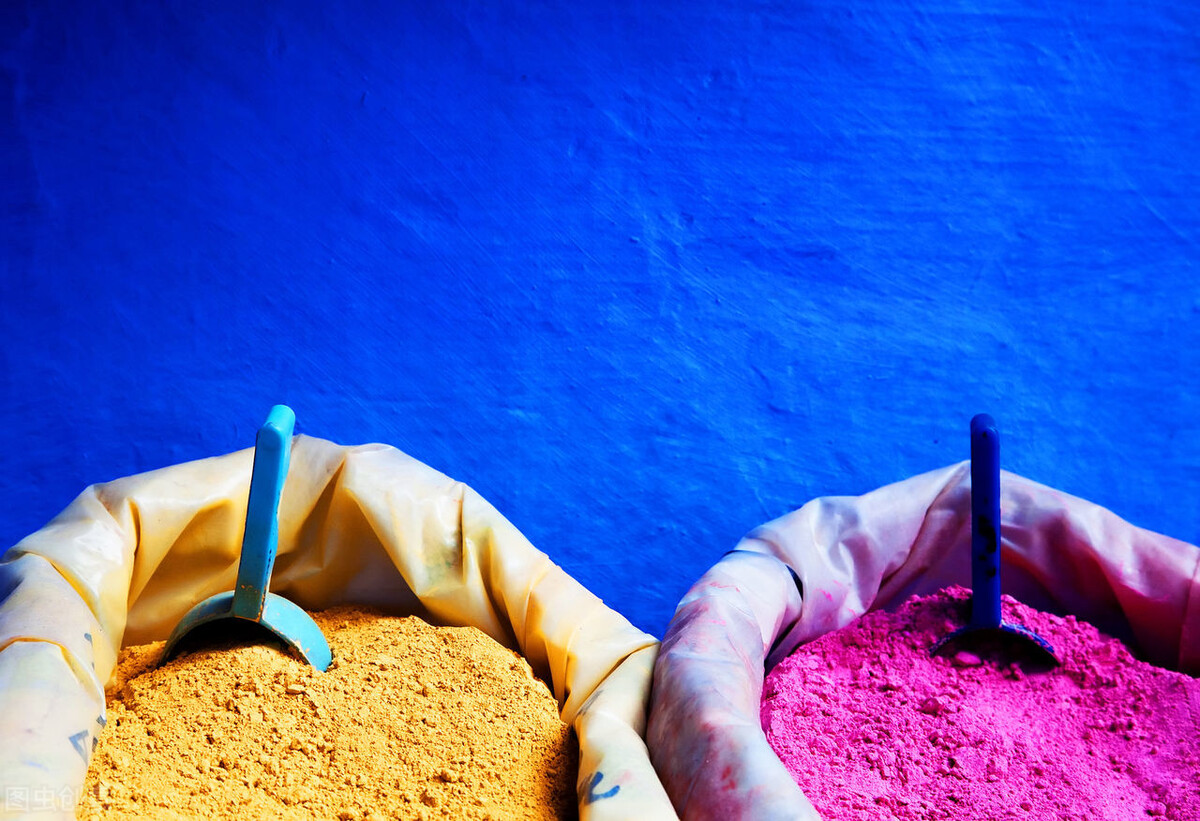
What Is Acrylic Powder Coating?
Acrylic powder coating is a thermosetting powder coating that uses acrylic resin as its primary film-forming material. It is manufactured by blending acrylic resin with curing agents, pigments, fillers, and additives, followed by melt extrusion, grinding, and sieving.
The resulting coating provides a combination of excellent appearance, weather resistance, and durability that is difficult to achieve with many other powder coating technologies.
Types of Acrylic Powder Coatings
Acrylic powder coatings can be classified according to resin functionality and performance characteristics.
1. Epoxy Functional Acrylic Powder Coatings (GMA/DDDA Systems)
This is the most widely used acrylic powder coating technology.
Key advantages include:
Excellent weather resistance
High gloss finish
Outstanding non-yellowing performance during curing
Superior outdoor durability
Typical applications include automotive wheels, premium aluminum profiles, and high-end exterior clear coat systems.
2. Carboxyl Functional Acrylic Powder Coatings
These coatings are cured with epoxy resins and combine:
The weather resistance of acrylic resins
The excellent adhesion of epoxy systems
This provides a balanced combination of durability and performance.
3. Hydroxyl Functional Acrylic Powder Coatings
These coatings are cured with blocked polyisocyanates, forming polyurethane linkages after curing.
Advantages include:
Excellent abrasion resistance
Superior scratch resistance
Enhanced mechanical performance
Characteristics of Acrylic Powder Coatings
1. Exceptional Weather Resistance
Acrylic powder coatings offer outstanding UV resistance and are among the most weather-resistant powder coatings available. Long-term outdoor exposure causes minimal chalking, yellowing, or gloss loss.
2. Superior Decorative Appearance
Excellent flow and leveling properties allow the coating to achieve high gloss levels, often exceeding 90% when measured with a 60° gloss meter.
The result is a smooth, bright, mirror-like finish.
3. Excellent Scratch Resistance
The coating forms a dense, hard surface that resists abrasion, friction, and scratching during daily use.
4. Outstanding Color and Gloss Retention
Even after prolonged exposure to sunlight and weather conditions, acrylic powder coatings maintain their original color and gloss with minimal fading.
Functions of Acrylic Powder Coatings
1. Long-Term Weather Protection
The coating protects outdoor metal substrates from UV degradation, preventing chalking, yellowing, and gloss loss while significantly extending service life.
2. Decorative Enhancement
Thanks to their excellent leveling characteristics and high gloss capability, acrylic powder coatings create smooth, mirror-like finishes that greatly enhance product appearance and perceived value.
3. Surface Protection
The coating's high hardness and scratch resistance help protect surfaces against everyday wear, abrasion, and handling damage.
Applications of Acrylic Powder Coatings
1. Automotive Industry
Typical applications include:
Automotive wheels
Vehicle body clear coats
Bumpers
Exterior trim components
These coatings provide high gloss, excellent weatherability, and premium appearance.
2. Architectural Industry
Common applications include:
Aluminum profiles
Curtain wall systems
Doors and windows
Exterior metal structures
Their superior UV resistance and color retention make them ideal for outdoor architectural applications.
3. Home Appliances and Electronics
Applications include:
Premium appliance housings
Computer cases
Audio equipment panels
Consumer electronic products
These coatings provide attractive mirror-like finishes combined with excellent scratch resistance.
4. Outdoor Metal Furniture
Typical products include:
Garden tools
Outdoor tables and chairs
Recreational equipment
The coating withstands long-term exposure to sunlight, rain, and changing weather conditions without significant degradation.
5. General Industrial Applications
Used for:
Instrument housings
Rail transportation components
Industrial equipment enclosures
These applications benefit from the coating's combination of aesthetics and durability.
How to Select Acrylic Powder Coatings
Based on our industry experience, the following factors should be considered when selecting acrylic powder coatings.
1. Consider the Service Environment
For long-term outdoor exposure, epoxy functional acrylic systems (GMA-based) are generally preferred due to their superior weather resistance.
For indoor applications or less demanding environments, carboxyl functional acrylic systems often provide a more cost-effective solution.
2. Consider Appearance Requirements
If a high-gloss, mirror-like finish is required, pure acrylic systems are the preferred choice and can achieve gloss levels exceeding 90%.
For matte or textured finishes, modified acrylic formulations or hybrid systems may be more suitable.
3. Consider Substrate and Processing Requirements
Applications requiring superior adhesion should utilize carboxyl functional acrylic systems cured with epoxy resins.
Applications requiring exceptional wear and scratch resistance should consider hydroxyl functional acrylic systems that form polyurethane networks.
Common Problems and Solutions
1. Low Gloss or Gloss Loss
Causes
Excessive curing temperature
Over-curing due to extended curing time
Excessive coating thickness
Moisture contamination in the powder
Solutions
Maintain curing conditions at approximately 190–200°C for 10–15 minutes
Control film thickness within 60–80 μm
Store powder in dry conditions
2. Poor Adhesion
Causes
Inadequate surface preparation
Insufficient curing
Excessive coating thickness
Solutions
Abrasive blast clean to Sa 2.5 standard
Verify curing temperature and curing duration
Maintain coating thickness below 100 μm
3. Orange Peel or Poor Leveling
Causes
Improper particle size distribution
Excessive electrostatic voltage
Rapid temperature increase during curing
Solutions
Optimize powder particle size distribution
Maintain electrostatic voltage between 60–80 kV
Use gradual heating schedules or extend leveling time
4. Yellowing or Color Variation
Causes
Over-curing caused by excessive temperature or curing time
Harmful gases within the curing oven
Poor heat resistance of pigments
Solutions
Maintain curing temperatures below 200°C
Ensure adequate oven ventilation
Use high-temperature-resistant pigments
5. Pinholes or Blisters
Causes
Excessive coating thickness (greater than 100 μm)
Moisture or oil contamination on the substrate
Moisture-contaminated powder
Solutions
Control coating thickness
Preheat workpieces before coating to remove moisture
Improve cleaning and pretreatment procedures
6. Poor Mechanical Performance
Causes
Over-curing causing brittleness
Excessive coating thickness
Insufficient resin toughness
Solutions
Strictly control curing conditions
Maintain recommended coating thickness
Utilize toughened acrylic formulations
Professional Technical Support
If you encounter coating-related challenges that are difficult to resolve, our technical team is ready to provide professional support and customized solutions. We are committed to helping customers optimize coating performance while contributing to the continued advancement of the powder coating industry.
We hope this article provides a professional and reliable reference for understanding acrylic powder coatings.
We sincerely welcome inquiries regarding product performance, industry standards, application methods, precautions, and any other powder coating-related topics. Please feel free to contact us for detailed product information, demonstration videos, or customized coating solutions. Our team is dedicated to helping you fully understand the features, benefits, and application value of our powder coating products.


Company Phone
+86-21-6420 0566
Working hours
Monday to Friday
Mobile phone:
13816217984
Email:
info@qinsun-lab.com