Time: Popularity:0times
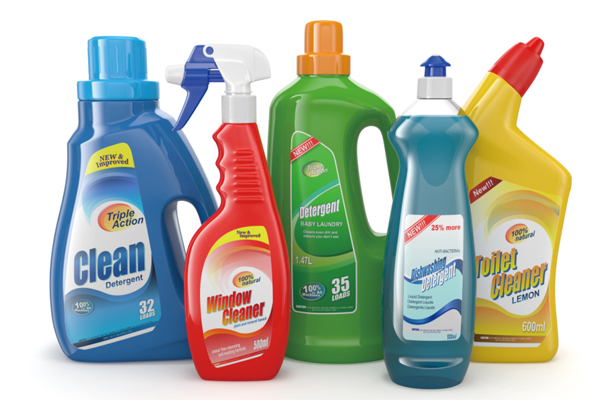
In the modern daily chemical market, consumers not only pay attention to product functionality and safety but also increasingly value the visual experience. Color, as a core aspect of product appearance, directly influences first impressions and brand perception. As a result, daily chemical colorants (Daily Chemical Coloring) play a crucial role in this industry.
Daily Chemical Coloring is a class of high-performance colorants specifically designed for daily chemical products, widely applied in detergents, personal care products, and household cleaners. These colorants exhibit excellent water solubility, dispersion, and stability, allowing them to disperse rapidly in aqueous systems and deliver vibrant, clear, and transparent colors.
Compared to traditional pigments, these colorants do not produce sediment or residue, maintaining the purity of formulations and avoiding any negative impact on texture or user experience. This “clear and vivid” coloring feature makes them ideal for transparent or semi-transparent products, such as hand soaps, shower gels, and dishwashing liquids.
The core function of Daily Chemical Coloring lies in its molecular solubility and dispersion capability. The colorant’s molecular structure is optimized to dissolve uniformly in water-based systems, achieving stable and consistent color distribution.
During formulation, whether in liquid or solid form, the colorant quickly integrates with the water phase, forming a uniform color system. Thanks to its molecular-level dispersion, it prevents precipitation, sedimentation, or spotting, ensuring the product’s appearance remains clean and consistent.
Furthermore, these colorants are chemically stable, maintaining their color under varying pH levels, temperature changes, and formulation environments. This stability is critical for products requiring long shelf life and transportation.
3.1 Rapid Dissolution and Efficient Dispersion
Daily Chemical Coloring dissolves completely within a short period upon contact with water, eliminating the need for prolonged stirring or high-shear dispersing equipment. This property is particularly important for large-scale industrial production, improving efficiency and reducing energy consumption. Its uniform dispersion also prevents color inconsistencies, ensuring batch-to-batch consistency.
3.2 Exceptional Transparency and Color Intensity
Compared to traditional pigment systems, these colorants provide superior transparency, giving products a “see-through” appearance. This is particularly important for clear products like hand soaps or dishwashing liquids, enhancing their premium perception. High color intensity also means less usage is required to achieve desired shades, increasing cost-effectiveness.
3.3 Outstanding Chemical Stability
Daily Chemical Coloring remains stable in acidic, neutral, or alkaline environments, resisting discoloration or decomposition. Even under high-temperature storage or transportation, the color remains consistent without fading or phase separation.
3.4 Light and Heat Resistance
In everyday usage, products may be exposed to light. High-quality colorants possess strong UV resistance, reducing color change due to light exposure and prolonging shelf life.
3.5 Broad Formulation Compatibility
These colorants are compatible with various daily chemical ingredients, including anionic, cationic, and nonionic surfactants, as well as thickeners and fragrances. This ensures stable performance even in complex formulations.
4.1 Enhances Product Visual Appeal
Color is a critical factor in consumer choice. For example, blue may indicate freshness or cleanliness, green may represent eco-friendliness, and pink may suggest gentleness or care. Daily Chemical Coloring helps brands convey these product attributes accurately, improving recognition and market competitiveness.
4.2 Simplifies Production Processes
Thanks to excellent solubility and dispersion, production does not require complex equipment or additional steps, streamlining manufacturing workflows. For high-volume production, this significantly reduces time and operational costs.
4.3 Improves Production Environment
Unlike powdered pigments, these colorants typically come in liquid or low-dust forms, minimizing airborne particles. This creates a cleaner production environment and reduces health risks for operators.
4.4 Cost-Efficient and High Yield
Due to high coloring efficiency, only a small amount of colorant is needed to achieve the desired effect. This reduces overall formulation costs and minimizes raw material waste, increasing production efficiency.
4.5 Safe and Regulatory-Compliant
High-quality colorants comply with relevant safety standards, making them suitable for skin-contact products. This is particularly important for export markets, ensuring compliance with international regulations.
Daily Chemical Coloring is omnipresent in everyday products, making it integral to consumer experience.
5.1 Personal Care Products
In shampoos, shower gels, and hand soaps, color not only adds decorative appeal but also helps differentiate functions or scents. For instance, clear blue hand soaps convey freshness, while soft pink or milky products suggest gentle care.
5.2 Household Cleaning Products
Laundry detergents, dishwashing liquids, and multi-purpose cleaners use color to strengthen brand recognition. Colors also provide intuitive cues about the product’s intended use or perceived cleaning efficacy.
5.3 Solid Products
In soaps, cleaning blocks, and solid detergents, colorants ensure uniform distribution and an attractive finish, avoiding uneven or blotchy appearances that may affect perceived quality.
5.4 Functional Color Coding
In industrial or professional cleaning, colors are often used to differentiate product types—for example, green for glass cleaners and blue for kitchen detergents—reducing misapplication risks.
5.5 Branding and Marketing
Consistent, vibrant colors contribute to brand identity, helping products stand out on shelves and creating lasting visual impressions in consumers’ minds.
6.1 Accurate Dosage Control
Different products require different color intensities. Excessive addition may reduce transparency or increase costs. It is essential to optimize the amount based on formulation requirements.
6.2 Ensure Complete Dissolution and Uniform Mixing
Add colorants gradually while stirring to ensure complete dissolution and even distribution, preventing localized color concentration or streaks.
6.3 Conduct Formulation Compatibility Testing
Despite broad compatibility, testing is recommended for formulations containing special additives such as high-concentration electrolytes or unique surfactants to avoid adverse reactions.
6.4 Proper Storage Conditions
Colorants should be stored in cool, dry environments, away from direct sunlight or extreme temperatures, to maintain stability and performance.
6.5 Avoid Contamination and Cross-Coloring
During production, ensure that equipment is properly cleaned between batches of different colors to prevent contamination, which can compromise product quality.
6.6 Compliance with Safety Regulations
For personal care products, ensure the colorants meet local safety standards and regulations for cosmetics or skin-contact products.
Daily Chemical Coloring is an essential material in modern daily chemical products. It enhances visual appeal, simplifies production, and improves consumer experience. With excellent solubility, stability, and wide applicability, it has become a key component in contemporary formulations.
As consumer demand for high-quality and visually appealing products grows, daily chemical colorants continue to evolve toward higher safety, greater stability, and eco-friendly performance, enabling brands to deliver innovative products that meet diverse market needs. Proper selection, usage, and maintenance of these colorants are crucial for maximizing product performance and shelf appeal.



Company Phone
+86-21-6420 0566
Working hours
Monday to Friday
Mobile phone:
13816217984
Email:
info@qinsun-lab.com