Time: Popularity:0times
In advanced manufacturing and industrial design, coatings are no longer just about aesthetics—they’re about performance under real-world stress. Engineering Polyethylene Powder Coating offers a versatile and resilient surface solution that delivers exceptional protection against abrasion, impact, corrosion, and environmental exposure. With a formulation rooted in high-performance polyethylene resins, this coating brings together flexibility, strength, and long-lasting durability in one engineered finish.
Whether used on mechanical components, engineered assemblies, or protective infrastructure, Engineering Polyethylene Powder Coating addresses both functional and performance requirements with a balance few alternatives can match. This article dives into its technology, capabilities, ideal application scenarios, and practical guidance on how to leverage this innovative coating for superior results.
At its core, Engineering Polyethylene Powder Coating is a thermoplastic powder coating formulated from engineered polyethylene resins. Unlike traditional thermosetting powder coatings that cure into rigid networks, this system melts and flows under heat before solidifying into a flexible, resilient film. The result is a coating that can absorb impacts, resist cracking, and adapt to substrate movement—attributes particularly valuable in engineered and load-bearing applications.
Metal components used in manufacturing, transportation, and structural applications often experience vibration, flexing, and mechanical contact. Standard coatings may crack under these conditions, leaving surfaces vulnerable to corrosion and wear. In contrast, Engineering Polyethylene Powder Coating offers elasticity that moves with the part, reducing stress concentrations and preserving surface integrity even in demanding environments.
One of the standout performance traits of Engineering Polyethylene Powder Coating is its ability to withstand repeated impacts and mechanical abrasion. The engineered polyethylene film bends and flexes without fracturing, protecting the substrate from surface damage that could otherwise lead to corrosion or mechanical failure.
The dense, non-porous nature of the polyethylene coating provides an effective barrier against moisture, salts, and many industrial chemicals. This makes Engineering Polyethylene Powder Coating a strong choice for parts exposed to humid atmospheres or environments where chemical exposure is a risk.
Polyethylene is naturally non-conductive, giving Engineering Polyethylene Powder Coating reliable dielectric properties. This characteristic, combined with strong moisture resistance, makes it suitable for components requiring both electrical insulation and corrosion protection.
Unlike some rigid powder coatings, Engineering Polyethylene Powder Coating can be applied in relatively thick layers, creating a cushioned surface that enhances protection and reduces surface stress. This makes it suitable for parts that may experience rough handling or impact in service.
The polymer network in Engineering Polyethylene Powder Coating stays stable across a wide range of temperatures, resisting degradation from heat cycles and cold conditions alike. Whether installed outdoors or in semi-protected environments, the coating helps maintain long-term performance with minimal maintenance.
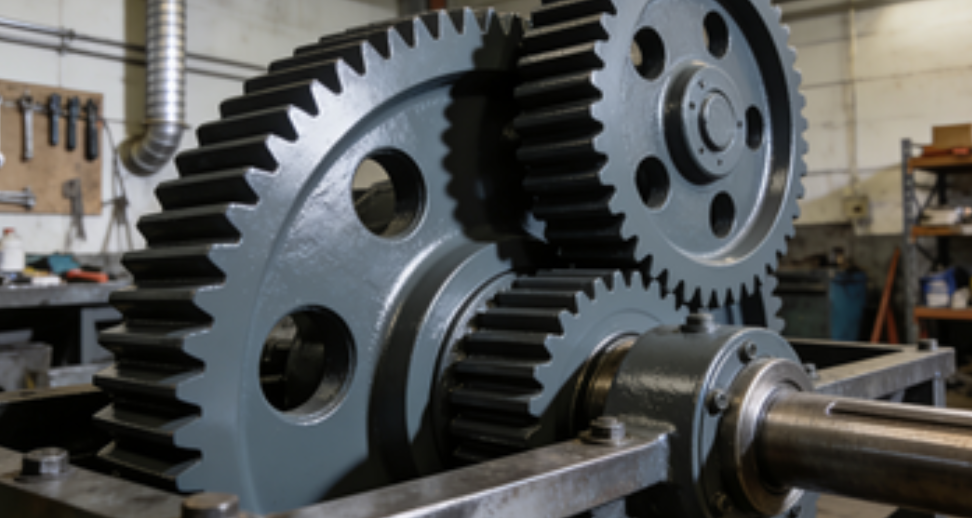
Gears, brackets, and structural support elements exposed to vibration benefit from Engineering Polyethylene Powder Coating because of its flexibility and toughness. The coating absorbs kinetic stress and maintains surface integrity where conventional finishes could fail.
In manufacturing environments, machines endure daily wear from tools, materials, and operators. Applying Engineering Polyethylene Powder Coating to housings, frames, and contact surfaces enhances abrasion resistance and reduces the risk of surface damage.
Guardrails, protective barriers, and outdoor infrastructure parts often face mechanical stress and environmental exposure. Engineering Polyethylene Powder Coating offers a robust protective layer that retains its shape and protective qualities even under heavy use.
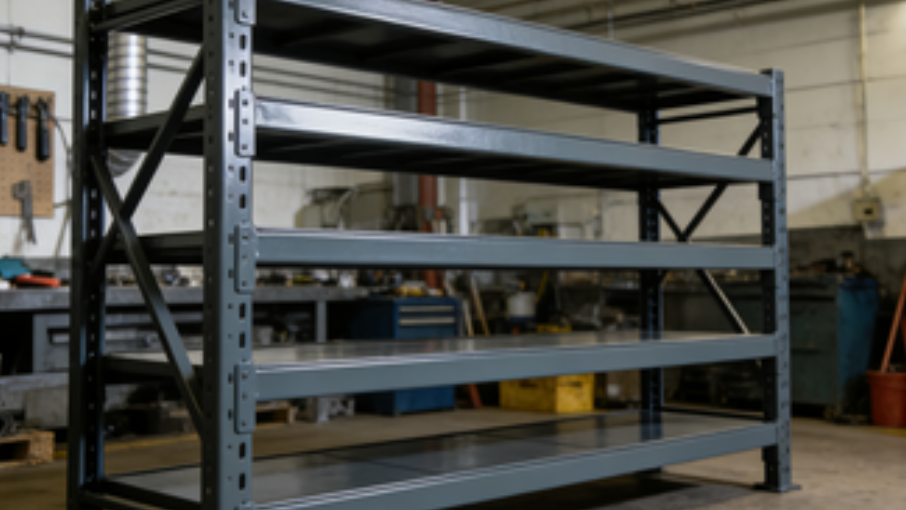
Wire baskets, racks, and shelving systems need coatings that resist corrosion, moisture, and impact. With its thick, protective film and flexibility, Engineering Polyethylene Powder Coating helps ensure that storage solutions remain functional and visually clean over long service life.
Understanding the environment where the coated part will operate is essential. Engineering Polyethylene Powder Coating performs best in settings with frequent mechanical contact, vibration, and potential exposure to moisture or chemicals. Matching the resin grade and application thickness to the expected challenges ensures lasting performance.
Like all powder coatings, success begins with proper surface preparation. Cleaning, degreasing, and pretreating metal surfaces ensures that Engineering Polyethylene Powder Coating adheres reliably. Well-prepared surfaces reduce the likelihood of coating failure and boost long-term durability.
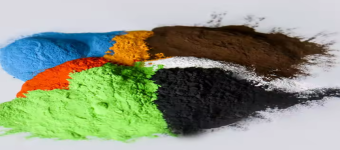
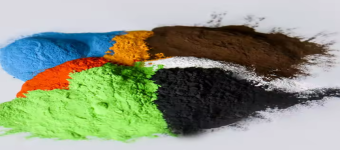
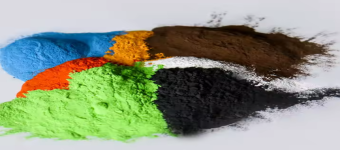
While function often takes priority in engineering applications, surface finish still matters. Engineering Polyethylene Powder Coating is available in a range of natural and custom colors and textures, allowing parts to meet both performance and visual standards without compromise.
Engineering Polyethylene Powder Coating can be applied through fluidized bed dipping or electrostatic spray techniques. The chosen method should align with part geometry and production efficiency goals. Fluidized bed dipping, for example, excels at thicker coatings, while electrostatic spraying is ideal for detailed geometries.
Precise temperature management during application is critical. The resin must melt sufficiently to flow and form a continuous film without overheating, which could degrade the polymer. Controlled cooling ensures consistent film properties and surface quality.
Monitoring the coating thickness ensures that Engineering Polyethylene Powder Coating delivers consistent protection. Too thin a film may not provide adequate resistance to impact, while excessive thickness can lead to surface irregularities.
Visual inspection and performance testing help confirm that coating parameters are met. Uniform gloss, smooth surface, and adhesion tests are indicators that the coating will deliver the intended durability in service.
Surfaces coated with Engineering Polyethylene Powder Coating are easy to maintain. Mild detergents or soap and water effectively remove surface dirt and contaminants without compromising the coating’s protective film.
The dense polyethylene layer acts as a moisture barrier, slowing corrosion on metal substrates. Even in humid industrial environments, the protective film helps reduce surface deterioration and extend component life.
Thanks to its resistance to impact, abrasion, moisture, and temperature fluctuations, Engineering Polyethylene Powder Coating delivers consistent performance over a long service life. Components maintain both protective and aesthetic qualities, reducing the need for frequent maintenance or recoating.
Conventional rigid coatings can fail when substrates flex or vibrate, leading to cracking and corrosion initiation. Engineering Polyethylene Powder Coating, with its inherent flexibility, accommodates mechanical movement without breaking, preserving surface integrity.
Parts installed near entrances, loading docks, or outdoor locations face moisture, airborne chemicals, and temperature swings. The protective film created by Engineering Polyethylene Powder Coating guards against these stressors while maintaining surface stability.
Even in engineered applications, appearance still matters. The coating’s smooth film and available color options help components look professional and well-finished, enhancing the perceived quality of the final product.
Engineering Polyethylene Powder Coating is more than a protective layer—it’s a performance upgrade for parts that need to endure real-world stress without compromise. With impact resistance, abrasion protection, chemical stability, and flexibility, it supports applications where traditional coatings fall short.
Whether applied to machinery components, structural elements, wire goods, or safety infrastructure, Engineering Polyethylene Powder Coating helps keep surfaces functional, protected, and visually appealing. By combining durability with practical application flexibility, this coating system offers a smart, forward-looking solution for modern industrial and engineered environments.


Company Phone
+86-21-6420 0566
Working hours
Monday to Friday
Mobile phone:
13816217984
Email:
info@qinsun-lab.com