Time: Popularity:0times
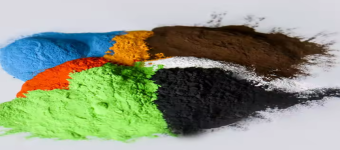
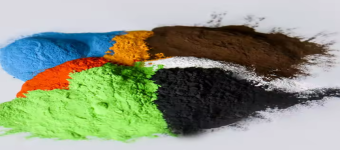
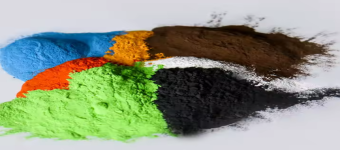
In a market where surface performance and visual character must work together, Textured Powder Coating has become a preferred solution for architects, fabricators, and product designers. More than just a protective layer, this finish adds dimension, tactility, and structural strength to metal components—transforming ordinary surfaces into durable, design-forward elements.
Unlike smooth coatings that rely solely on color for impact, Textured Powder Coating introduces a controlled surface pattern that enhances both aesthetics and functionality. From subtle fine sand textures to bold wrinkle effects, it offers a versatile solution for applications where resilience and appearance matter equally.
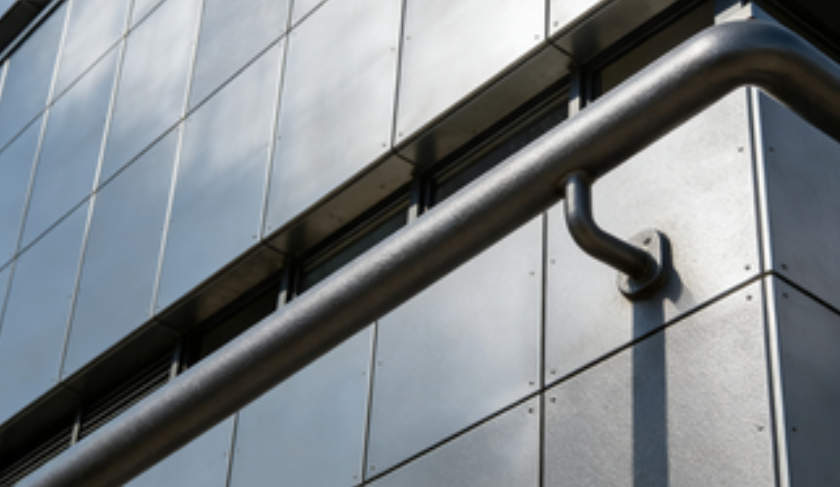
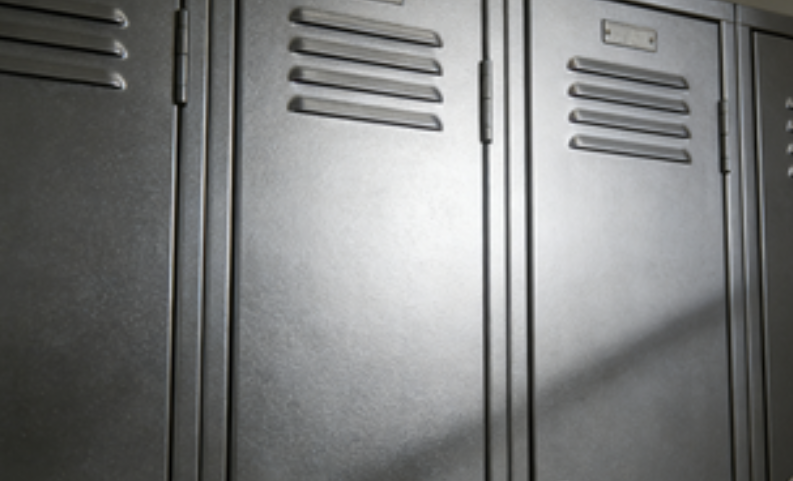
Textured Powder Coating is a thermoset coating applied electrostatically and cured under heat, forming a hardened, patterned surface. During the curing stage, specialized formulation agents create a consistent texture across the substrate. The resulting film not only protects metal but also conceals imperfections and adds visual depth.
This type of coating is commonly based on polyester, epoxy-polyester hybrids, or other advanced resin systems, depending on whether the application is indoor or outdoor.
The texture is not just aesthetic. Textured Powder Coating improves grip, reduces glare, and increases resistance to scratches and surface wear. In high-contact environments, the textured finish helps minimize visible damage compared to smooth alternatives.
The structured surface of Textured Powder Coating helps diffuse impact energy and hide minor abrasions. This makes it ideal for products exposed to frequent handling or mechanical stress, such as railings, enclosures, tool housings, and outdoor fixtures.
Fabricated metal components often contain minor weld marks, machining lines, or surface variations. Textured Powder Coating effectively masks these imperfections, reducing the need for extensive pre-finishing labor while maintaining a premium appearance.
In bright environments, glossy coatings may produce excessive reflection. The micro-patterned finish of Textured Powder Coating diffuses light, providing a softer, more refined look that enhances visual comfort.
When formulated with exterior-grade polyester systems, Textured Powder Coating delivers strong resistance to UV exposure, moisture, and temperature fluctuations. This ensures color retention and structural integrity in demanding outdoor settings.
For optimal adhesion and durability, Textured Powder Coating is best applied to properly pretreated metal substrates, including:
Aluminum profiles
Mild steel
Galvanized steel
Stainless steel
Surface preparation—such as degreasing, chemical pretreatment, and proper curing cycles—ensures that the coating bonds securely and resists corrosion.
Choosing the correct resin system is essential:
Interior applications: Epoxy-polyester hybrid textured systems provide strong adhesion and impact resistance for indoor furniture, cabinets, lighting frames, and equipment housings.
Exterior applications: Polyester-based textured systems offer improved UV durability for fences, architectural panels, agricultural machinery, and metal doors.
Understanding environmental exposure helps determine which Textured Powder Coating formulation delivers the best long-term performance.
Fine sand textures offer subtle depth while maintaining a modern aesthetic. This type of Textured Powder Coating is widely used in architectural metal, window frames, and minimalist design projects.
Wrinkle or hammer finishes provide more pronounced visual interest and are often selected for industrial equipment, machinery covers, and decorative metal elements.
Combining low gloss with structured texture creates a sophisticated surface that aligns with contemporary architectural trends. Matte Textured Powder Coating is increasingly favored in residential construction and commercial interiors.
When applied over properly treated substrates, Textured Powder Coating forms a continuous protective barrier against moisture and environmental pollutants. This supports long service life in coastal, humid, or industrial regions.
The cured film offers strong adhesion and hardness, helping protect components subject to vibration, handling, and impact.
Electrostatic application allows Textured Powder Coating to reach edges and complex geometries effectively. The texture helps maintain visual uniformity even across intricate metal shapes.
One of the most compelling benefits of Textured Powder Coating lies in its production efficiency. Powder coatings contain no added solvents and generate minimal waste. Overspray can often be reclaimed and reused, improving material efficiency.
For manufacturers seeking durable finishes with reduced environmental impact, this technology supports responsible production without compromising quality.
To achieve consistent performance with Textured Powder Coating, consider the following best practices:
Ensure thorough cleaning and degreasing before application.
Apply uniform electrostatic spray coverage to prevent uneven texture.
Maintain accurate curing temperature and time to develop full mechanical properties.
Monitor film thickness to balance texture clarity and protective strength.
Careful process control ensures the coating delivers both the desired visual texture and structural durability.
As architectural and industrial design evolves toward surfaces that feel authentic and resilient, Textured Powder Coating meets the demand for finishes that combine tactile quality with protective performance. Its ability to conceal imperfections, resist wear, and maintain long-term stability makes it a practical and visually compelling solution.
Whether used on aluminum profiles, steel structures, outdoor furniture, or equipment enclosures, Textured Powder Coating provides a balanced approach to protection and design expression.
Textured Powder Coating represents more than a decorative upgrade—it is a functional surface solution engineered for durability, adaptability, and aesthetic depth. By integrating structured finishes with advanced resin technology, this coating enhances both the performance and appearance of metal components across diverse applications.
For projects that demand resilience without sacrificing visual character, Textured Powder Coating offers a dependable and forward-thinking finish. With the right formulation and application process, it delivers long-lasting protection and distinctive surface appeal that stands up to real-world conditions.


Company Phone
+86-21-6420 0566
Working hours
Monday to Friday
Mobile phone:
13816217984
Email:
info@qinsun-lab.com