Time: Popularity:0times
Powder coating for 3C products provides an environmentally friendly, high-performance finishing solution featuring low-temperature curing, ultra-high hardness, and exceptional flow and leveling. It delivers a premium surface with a smooth tactile feel, excellent wear and scratch resistance, and superior aesthetics for smartphones, laptops, wearable devices, and other consumer electronics.
This article systematically introduces the concept, characteristics, functions, application fields, selection considerations, and common troubleshooting methods for powder coatings used in 3C products. It focuses particularly on their functions and practical applications to help readers better understand what 3C product powder coating is, its key features, and its major application areas.

What Is Powder Coating for 3C Products?
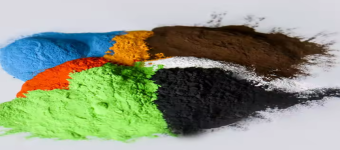
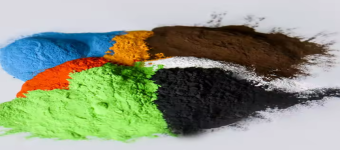
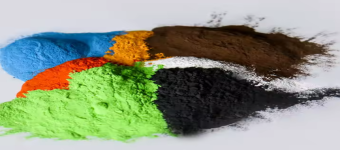
Powder coating for 3C products is an environmentally friendly powder coating specifically developed for computers, communication equipment, and consumer electronics.
The term 3C refers to Computer, Communication, and Consumer Electronics, also known as information appliances. This category includes products such as desktop computers, laptops, smartphones, tablets, digital cameras, wearable devices, and many other electronic products used in daily life.
Features of Powder Coating for 3C Products
The primary characteristics of powder coatings for 3C products include the following.
1. High-Performance Protection
The cured coating provides:
High surface hardness (typically ≥H pencil hardness)
Excellent adhesion (Cross-cut Classification 0)
Outstanding impact resistance
Salt spray resistance exceeding 500 hours
These properties provide reliable long-term protection for electronic products.
2. Premium Decorative Finishes
A wide variety of decorative textures can be achieved, including:
Water ripple finishes
Leather texture
Sand texture
Metallic finishes
These coatings create visually attractive surfaces with distinctive textures and premium tactile qualities.
3. Functional Coating Solutions
To meet the unique requirements of electronic products, specialized formulations are available with additional functions, including:
Antistatic properties to prevent electrostatic discharge (ESD) damage
Antibacterial performance
Electrical insulation
Heat dissipation enhancement
4. Environmentally Friendly and Manufacturing Efficient
These powder coatings feature:
Low-temperature curing (150–180°C)
Solvent-free formulation
Zero VOC (Volatile Organic Compound) emissions
Recyclable oversprayed powder
These characteristics make them environmentally friendly while improving manufacturing efficiency.
Functions of Powder Coating for 3C Products
Powder coatings for 3C products provide several important functions.
1. Surface Protection and Decorative Enhancement
The coating forms a durable protective layer featuring high hardness (≥H) and excellent adhesion (Cross-cut Classification 0). It effectively improves scratch resistance, impact resistance, and salt spray resistance while providing attractive decorative finishes such as water ripple, leather texture, and metallic effects that enhance both appearance and tactile quality.
2. Functional Performance Enhancement
Specialized formulations provide additional functions tailored to electronic products, including:
Antistatic protection to prevent electrostatic discharge from damaging sensitive electronic components
Antibacterial protection to inhibit bacterial growth on frequently touched surfaces
Electrical insulation for enhanced product reliability and safety
3. Environmentally Friendly and Efficient Manufacturing
As a zero-VOC coating technology, powder coating allows oversprayed powder to be recovered and reused, resulting in excellent material utilization. Low-temperature curing between 150°C and 180°C also reduces energy consumption, making the coating ideal for high-volume automated production lines.
Applications of Powder Coating for 3C Products
Powder coatings for 3C products are widely used across the electronics industry.
1. Mobile Communication and Personal Electronics
Typical applications include:
Smartphones
Tablet computers
Laptop computers
Smartwatches
Wireless earbuds
Other wearable devices
Decorative textures provide attractive product designs while offering excellent wear resistance and fingerprint resistance.
2. Household Appliances and Consumer Electronics
Applications include:
Televisions
Air conditioners
Audio speakers
LED lighting fixtures
These products require coatings that combine premium appearance with excellent weather resistance and impact resistance.
3. Electronic Components and Precision Parts
This is the primary application area for functional powder coatings.
Examples include:
Antistatic powder coatings that protect LCD displays and precision electronic circuits from electrostatic interference.
Insulating powder coatings used for motor rotors, capacitors, transformers, and other electrical components requiring electrical insulation.
Thermally conductive powder coatings increasingly used for energy storage systems, EV chargers, power electronics, and other products requiring efficient thermal management.
How to Choose Powder Coating for 3C Products
Selecting the right powder coating for 3C products requires careful evaluation of several factors. Based on our industry experience, we recommend focusing on the following considerations.
1. Select According to Substrate Type
Metal Substrates (Aluminum Alloys and Magnesium Alloys)
Select coating systems with excellent adhesion and outstanding salt spray resistance, such as epoxy-polyester hybrid or pure epoxy powder coatings, to ensure strong adhesion to metal substrates.
Heat-Sensitive Substrates (Plastics and Composite Materials)
Low-temperature curing powder coatings with curing temperatures below 150°C should be selected to prevent thermal deformation or substrate damage.
2. Select According to Decorative Requirements
Textured Powder Coatings
For finishes such as water ripple, leather texture, or soft-touch textures, confirm with the supplier that texture consistency and batch-to-batch repeatability can be maintained.
High-Gloss or Metallic Finishes
When premium gloss or metallic appearance is required, acrylic or polyurethane powder coating systems are recommended because they provide superior flow, leveling, and distinctness of image (DOI).
3. Select According to Functional Requirements
Antistatic Powder Coatings
Used for electronic equipment housings to prevent electrostatic damage to sensitive components. Surface resistivity should typically be maintained within 10⁶–10⁹ Ω.
Antibacterial Powder Coatings
Suitable for products frequently touched by the public, including ATMs, medical terminals, and public-service equipment. Coatings should comply with recognized antibacterial standards such as JIS Z 2801.
Insulating Powder Coatings
Used for electrical insulation of electronic components and should meet the required dielectric strength and insulation resistance specifications.
4. Evaluate Manufacturing Process and Overall Cost
Curing Conditions
Confirm that the production line can achieve the specified curing conditions, typically 150–180°C for approximately 15 minutes.
Overall Manufacturing Cost
Evaluate the total production cost by considering powder recovery efficiency, first-pass yield, and energy consumption rather than simply comparing powder prices.
Common Problems and Solutions for Powder Coating of 3C Products
The following issues are among the most common during powder coating application for 3C products.
1. Surface Particles and Cratering
Cause
Insufficient production cleanliness, dust contamination, moisture-induced powder agglomeration, residual oil after pretreatment, or cross-contamination from other powder coating systems.
Solutions
Maintain cleanroom conditions equivalent to ISO Class 8 or ISO Class 9. with environmental conditions controlled at approximately 20–25°C and 45–55% relative humidity.
Store powder below 30°C in a cool, dry environment.
Improve degreasing during pretreatment and completely separate different powder coating systems.
2. Inconsistent Texture Appearance
Cause
Poor control of coating thickness, inconsistent pre-curing conditions for the base coat, or unstable topcoat application.
Solutions
Maintain coating thickness within the supplier's recommended range, typically 60–80 μm.
Precisely control base-coat pre-curing conditions, for example 160°C for 5–8 minutes, to ensure batch consistency.
Regularly calibrate curing ovens and maintain temperature uniformity within ±5°C.
3. Poor Adhesion and Coating Peeling
Cause
Incomplete substrate pretreatment, inadequate passivation of aluminum alloys, insufficient curing, or incompatibility between the coating system and the substrate.
Solutions
Strictly follow chromate or passivation pretreatment processes.
Use an oven temperature data logger to verify actual part temperature during curing.
For reactive substrates such as magnesium alloys, select formulations specifically designed to improve adhesion.
4. Loss of Antistatic Performance
Cause
Insufficient antistatic additives, poor additive dispersion, or contamination that increases surface resistivity.
Solutions
Verify with the supplier that the antistatic additive type and dosage provide a surface resistivity within 10⁶–10⁹ Ω.
Avoid silicone-containing mold release agents, lubricants, or other insulating contaminants.
5. Yellowing or Gloss Variation
Cause
Over-curing that causes resin degradation, uneven curing oven temperature distribution, or contamination of light-colored coatings.
Solutions
Strictly follow the recommended curing schedule, such as 150–180°C for approximately 15 minutes.
Regularly calibrate curing ovens to maintain temperature variation within ±5°C.
Separate production lines for light-colored or transparent coatings from darker colors to prevent cross-contamination.
Professional Technical Support
If you encounter any technical challenges while using powder coatings for 3C products that cannot be easily resolved, please feel free to contact us at any time. Our professional technical team is ready to provide expert support, discuss effective solutions, and work together with you to promote the continuous development of the powder coating industry.
We hope this article provides you with a reliable and professional reference for the powder coating industry. We sincerely welcome your inquiries regarding product performance, industry standards, application methods, precautions, or any other questions related to powder coating products. Please feel free to leave us a message or contact us directly. We will be pleased to provide comprehensive product information, demonstration videos, and customized coating solutions to help you fully understand the features and advantages of our powder coating products.



Company Phone
+86-21-6420 0566
Working hours
Monday to Friday
Mobile phone:
13816217984
Email:
info@qinsun-lab.com