Time: Popularity:0times
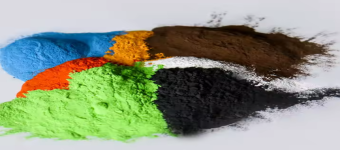
MDF powder coating is a powder coating specially designed for medium-density fiberboard (MDF). It uses low-temperature curing and infrared/ultraviolet heating technologies to achieve coating application and form a complete protective and decorative coating on wood substrates without the need for a primer.
This article systematically introduces the concept, characteristics, functions, applications, selection considerations, and common problem-solving measures of MDF powder coating. It focuses on the specific applications of MDF powder coating to help readers better understand what MDF powder coating is and what its characteristics and functions are.
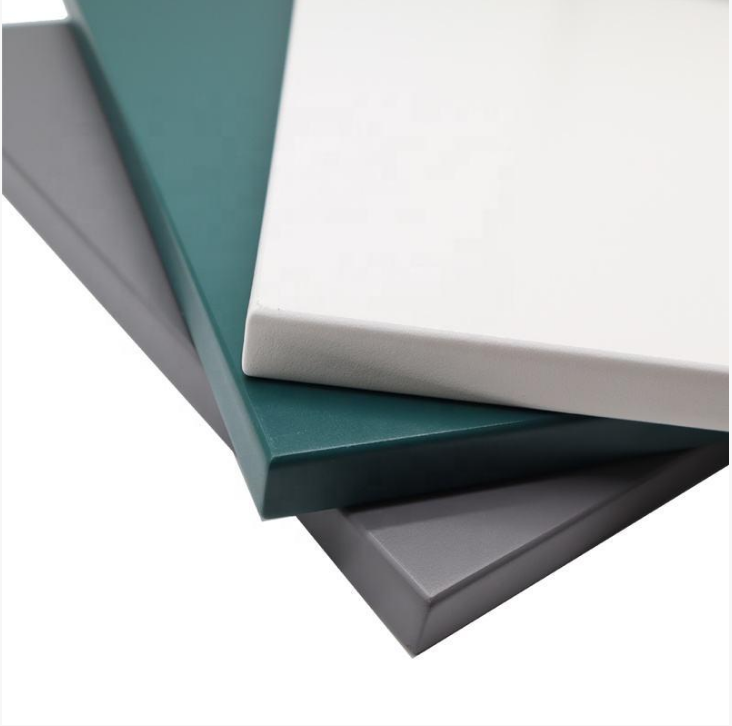
What Is MDF Powder Coating
MDF powder coating is a low-temperature-curing powder coating specially designed for medium-density fiberboard (MDF). Its key distinguishing feature is that the substrate is a wood-based material rather than metal.
Characteristics of MDF Powder Coating
The main characteristics of MDF powder coating are as follows.
1. Low-Temperature and Rapid Curing
This is the most fundamental performance requirement of MDF powder coating. Since MDF has poor heat resistance, the high-temperature curing of conventional powder coatings may cause the board to deform or crack. MDF powder coating can complete curing at 130°C in only 3 minutes, with the curing temperature generally ranging from 125–140°C. This low-temperature and rapid-curing characteristic not only protects the wood substrate but also meets the efficiency requirements of industrial production.
2. Excellent Mechanical Properties
After curing, the coating demonstrates outstanding hardness, wear resistance, and impact resistance. According to patent data, the pencil hardness of high-performance MDF powder coating can reach 2H to 5H, while the Taber abrasion test result can be as low as 3 mg under a load of 750 g and 1.000 revolutions. At the same time, the coating has good adhesion, achieving Class 0 in the cross-cut test, and impact resistance, passing a 50 kg·cm direct impact test. It can effectively resist scratches and damage during use.
3. Outstanding Substrate Adaptability
The adaptability of MDF powder coating to wood substrates is reflected in two aspects. First, the coating has sufficient flexibility to accommodate deformation of the wood over time, making it less likely to become brittle or crack, especially in environments with significant changes in temperature and humidity, such as kitchens and bathrooms. Second, because powder coating can achieve seamless and complete coverage of complex shapes, MDF products can obtain complete edge protection without edge-banding treatment.
4. Chemical Resistance and Protective Performance
The coating has good resistance to everyday chemicals. Tests show that MDF powder coating can meet requirements for water resistance, alcohol resistance at 48%, and coffee-stain resistance. It also has good resistance to damp heat and complies with the P1 classification standard. These protective properties make MDF powder coating suitable for furniture, cabinets, and other applications that may come into contact with water stains and cleaning agents.
5. Environmental Performance and Sealing Properties
MDF powder coating produces zero VOC emissions. Overspray powder can be recycled and reused, and the coating utilization rate is close to 100%. More importantly, the coating can effectively seal the release of formaldehyde from inside MDF boards, which provides significant environmental value for indoor furniture and building-material applications.
Functions of MDF Powder Coating
The main functions of MDF powder coating are reflected in the following aspects.
1. Protecting Wood Substrates
MDF, or medium-density fiberboard, is sensitive to water and moisture and is prone to swelling and deformation. Powder coating forms a dense and complete coating on the surface of the board, providing effective moisture resistance, water resistance, and mold resistance, while also offering mechanical protection against wear, scratching, and chemicals. The coating can also seal formaldehyde emissions from inside the board, improving indoor environmental safety.
2. Replacing Traditional Coating Processes
Traditional MDF coating processes rely on laminating films, PVC wrapping, or liquid paint, which involve problems such as edge treatment, VOC emissions, and long production cycles. MDF powder coating achieves seamless and complete coverage and can form curved, irregular, and engraved surfaces in a single application without edge-banding treatment. After curing, the products can be packaged and transported immediately, shortening the production cycle. Overspray powder can be recycled and reused, and the coating utilization rate is close to 100%.
3. Expanding Design Possibilities
Powder coating can provide various surface effects, such as textured finishes, smooth finishes, hammer finishes, and metallic effects, as well as different gloss levels and color options. Because it can completely cover complex shapes, designers can explore curved, irregular, and engraved surfaces more freely without being restricted by edge-banding processes.
4. Environmental Protection and Functionalization
MDF powder coating produces zero VOC emissions, and its carbon footprint is much lower than that of solvent-based coatings, in line with the trend toward green manufacturing. On this basis, functional products can also be developed, including antibacterial surfaces that comply with ISO 22196. antistatic/conductive versions that comply with EN 61340. and flame-retardant solutions that comply with EN 45545-2. These products can meet the requirements of special applications in medical, electronic, and rail transportation fields.
Principles of MDF Powder Coating
The technical principles of MDF powder coating focus on solving two fundamental contradictions: the substrate is non-conductive and therefore cannot electrostatically attract powder, and the substrate is not heat-resistant and therefore cannot withstand conventional high-temperature curing.
1. Preheating for Conductivity: Temporarily Making an “Insulator” Conductive
MDF itself has a very high surface resistance, far beyond the conductive range required for powder spraying. Therefore, powder cannot be attracted during direct spraying. The key solution is preheating: MDF is heated to 50–90°C, causing moisture inside the board to migrate toward the surface and temporarily increasing the surface conductivity to a level sufficient for electrostatic powder attraction. Research has confirmed that MDF resistance is jointly affected by board temperature and moisture content, and that preheating is an effective method for improving powder coating application on non-metallic substrates. During spraying, the board is grounded through a conductive hook, while the spray gun applies a negative voltage. The negatively charged powder particles are then attracted to the surface of the board.
2. Low-Temperature Curing: Protecting Heat-Sensitive Substrates
Attraction is only the first step. Conventional powder coatings require curing at 160–200°C, while MDF may crack after being heated to above 80°C for a short period. Therefore, MDF powder coating must use a low-temperature-curing system, with typical conditions of 130°C for 3 minutes and a total heating time controlled within 2–5 minutes.
The curing process relies on infrared radiation rather than conventional hot air. Infrared heating concentrates energy on the surface of the board, allowing the coating to melt and level rapidly while keeping the core temperature relatively low and avoiding overall thermal damage to the board. Another solution is UV curing: the powder first melts and levels, and then ultraviolet light initiates crosslinking. The curing temperature can be further reduced to 100–120°C.
Applications of MDF Powder Coating
Where is MDF powder coating used? Its specific application areas are as follows.
1. Furniture Manufacturing
This is currently the most mature and widely used application field for MDF powder coating, especially for panel furniture with high requirements for surface texture and edge treatment.
(1) Cabinet Furniture: Cabinet doors, bathroom cabinets, TV cabinets, monitor stands, and similar products can achieve seamless and complete coverage without edge-banding treatment.
(2) Commercial and Dining Furniture: Restaurant tabletops are a typical application. Powder coatings provide durability and scratch resistance that traditional laminating films or paints cannot match. They can withstand frequent use while also offering environmental advantages.
2. Architecture and Interior Decoration
MDF powder coating is used to improve the visual quality of interior spaces by taking advantage of its adaptability to complex shapes and its wide range of surface effects.
(1) Architectural Interiors: Wall panels, ceilings, decorative lines, and similar products can use MDF powder coating as a replacement for traditional paint or laminating processes.
(2) Customized Surfaces: For MDF components with complex geometric shapes, powder coating can achieve uniform and precise coverage.
3. Commercial Displays and Retail Fixtures
In commercial environments that require both aesthetics and durability, MDF powder coating is becoming an alternative to traditional coating processes.
(1) Retail Displays: Store shelves, sign panels, and POP display stands.
(2) Lighting Components: MDF or plastic components that require a durable decorative coating.
4. Functional and Special Applications — Development Directions
With technological development, MDF powder coating is beginning to incorporate special functions such as antibacterial, antistatic, and flame-retardant properties, opening up new application possibilities.
(1) Medical and Food-Contact Applications: Antibacterial surfaces that comply with ISO 22196. or food-contact-compliant coatings that comply with EU 10/2011.
(2) Electronics and Industry: Antistatic or conductive versions that comply with EN 61340.
(3) Rail Transportation: Flame-retardant solutions that comply with EN 45545-2.
How to Select MDF Powder Coating
When selecting MDF powder coating, we may face difficulties in determining which product to choose. Based on our industry experience, we recommend focusing on the following aspects when selecting MDF powder coating.
1. Confirm Whether the Substrate Meets Requirements
This is the prerequisite for product selection. If the substrate is not qualified, even the best coating cannot form a qualified coating layer.
(1) Density Requirements: Powder-coating-grade MDF should be selected, with a density generally exceeding 750 kg/m³. High-density boards have a more uniform and dense surface, helping ensure coating quality and the qualified-product rate.
(2) Moisture Content Control: Before spraying, the moisture content of the board must be strictly controlled at 4–8%. Excessively high moisture content may cause bubbling during curing, while excessively low moisture content may result in insufficient conductivity after preheating.
(3) Avoid Low-Quality Boards: Low-quality boards, boards with uneven surfaces, or “wet boards/raw boards” that still contain large amounts of moisture are not suitable for powder coating.
2. Select the Resin System According to the Application
MDF powder coatings are mainly divided into indoor and outdoor types. Choosing the wrong type may result in premature failure.
(1) Indoor Applications — Cabinets, Office Furniture, Display Racks: Epoxy or epoxy-polyester hybrid systems should be prioritized. These systems are relatively low in cost and provide excellent adhesion, mechanical strength, and chemical resistance, fully meeting indoor protection requirements.
(2) Outdoor Applications — Outdoor Leisure Furniture and Components with High Weatherability Requirements: A pure polyester system must be selected, combined with a TGIC or HAA curing agent. Epoxy systems are not resistant to ultraviolet radiation and will quickly chalk and fade outdoors. Research shows that by optimizing low-temperature-curing polyester and adding an appropriate amount of accelerator, such as 0.4%, MDF powder coating can be produced to meet outdoor artificial-aging resistance requirements.
3. Evaluate Low-Temperature Curing Performance
MDF has poor heat resistance, so curing temperature is the key to protecting the substrate.
(1) Curing Window: Products that can complete curing at 120–140°C should be selected. Typical conditions are 130°C for 3 minutes, with the total heating time controlled within 2–5 minutes.
(2) Wide Baking Window: Especially when recycled MDF boards are used or incoming-material fluctuations are significant, a formulation with a wider baking window should be selected to tolerate substrate differences and avoid insufficient curing.
4. Match Performance and Appearance Requirements
After determining the resin and curing conditions, the product should be selected according to the requirements of the final application.
(1) Physical Protection: For products used in humid environments, such as cabinets and bathroom cabinets, formulations with stronger moisture resistance and sealing properties should be prioritized.
(2) Appearance Effects: Select high-gloss, matte, textured, or metallic effects according to design requirements. It should be noted that metallic effects may require powder produced through a specialized bonding process rather than simple dry blending.
(3) Functional Expansion: If antibacterial, food-contact, flame-retardant, or antistatic properties are required, verify whether the supplier provides products that comply with the corresponding standards, such as ISO 22196. EU 10/2011. EN 45545-2. and EN 61340.
5. Refer to Finished-Product Performance Indicators
When requesting quotations from suppliers, the following typical indicators can be used to evaluate product maturity.
(1) Adhesion: Cross-cut test Class 0. 2 mm.
(2) Chemical Resistance: Rating 5 after 24-hour testing with ethanol, coffee, red wine, detergents, and similar substances.
(3) Abrasion/Scratch Resistance: Compliant with DIN 68861.
(4) Dry Heat Resistance: Rating 5 at 180°C and rating 4 at 200°C.
Common Problems and Solutions for MDF Powder Coating
The most common problems encountered during the use of MDF powder coating are mainly reflected in the following aspects. Based on our industry experience, we have proposed corresponding solutions to help effectively solve the powder coating problems you may encounter.
1. Edge Cracking and Shrinkage Marks
Problem Description: After the coating cures, cracks appear along the edges of the MDF board, or shrinkage marks appear on the surface along the direction of the fibers. This is one of the most prominent and difficult problems to completely solve in MDF powder coating. MDF may crack after being heated to above 80°C for a short period, while powder coating must undergo two heating stages: preheating and curing.
Possible Causes: After being heated, MDF loses a large amount of moisture, and its shrinkage rate in the thickness direction is much greater than that in the surface direction. When the stress generated by substrate shrinkage exceeds the tensile strength and elongation at break of the coating itself, the coating at the edges will be pulled apart and crack. In addition, when the coating is insufficiently cured, its mechanical toughness is not sufficient to resist substrate deformation, causing cracking to occur significantly earlier.
Solutions: Select low-temperature-curing powder coating, at 120–130°C or even lower, to reduce thermal shrinkage of the substrate at the source. Strictly control the moisture content of the substrate within the ideal range of 4–8%, avoiding excessively high or low moisture content. Ensure that the coating is fully cured to maximize its mechanical toughness, as insufficiently cured coatings crack earlier. Increasing the coating film thickness appropriately can improve its function as a moisture barrier and delay cracking.
2. Low Powder Deposition Rate and Uneven Coating
Problem Description: Powder cannot be uniformly attracted to the MDF surface, the powder deposition rate is low, or the coating thickness fluctuates significantly. These problems are particularly noticeable at the edges and corners of complex-shaped parts.
Possible Causes: MDF itself is non-conductive and cannot be directly electrostatically grounded like metal. Its conductivity depends entirely on the moisture content inside the board to provide temporary conductivity, while uneven MDF density also causes unstable conductivity. When the moisture content is too low, electrostatic powder deposition becomes difficult.
Solutions: Preheat the MDF before spraying, generally to 100–130°C, so that moisture inside the board migrates toward the surface and improves conductivity. Maintain the moisture content of the board at 4–8% and the humidity of the powder spray booth above 40%. In some processes, a counter-electrode device is installed on the back of the workpiece to improve powder deposition at edges and corners through electric-field control.
3. Bubbling and Pinholes
Problem Description: Bubbles or pinholes appear on the coating surface. When the coating is cut open, holes can be observed, mostly distributed along the edges of the board or in areas with lower density.
Possible Causes: When MDF is heated, internal moisture, free formaldehyde, and other volatile substances escape outward through outgassing. If the coating has already begun to melt and seal the surface, the gases cannot escape and form bubbles or pinholes. MDF with lower density contains more voids and releases more gas, resulting in more serious defects. When the moisture content exceeds 8%, the risk of bubbling increases significantly.
Solutions: Control the moisture content of the substrate at no more than 8% to reduce the total amount of volatile substances at the source. Optimize the preheating process so that moisture can escape sufficiently before spraying. For boards with two visible sides, differentiated treatment can be adopted, such as fine sanding on the front and coarse sanding on the back, or applying a thicker coating on the front, to guide volatile substances to escape from the back and ensure the quality of the visible front surface. Apply a sealing primer treatment before spraying to reduce the escape of gases from inside the substrate.
4. Delamination and Poor Adhesion
Problem Description: The bonding strength between the coating and the MDF surface is insufficient, resulting in peeling or delamination.
Possible Causes: Oil or contaminants are present on the substrate surface. When repairing the board, a repair method using 502 glue mixed with wood dust may have been used. This repair method can be applied to liquid spray painting but may cause powder coating delamination. In addition, excessively low preheating temperature or insufficient curing may also affect adhesion.
Solutions: Ensure that the substrate surface is clean and free of oil before spraying. Avoid using 502 glue for repairs and instead use specialized putty or PUR adhesive for board repair. Calibrate the preheating temperature to ensure that the board reaches an appropriate surface-temperature window when it enters the spray booth, balancing powder deposition and adhesion.
If you encounter difficult problems during the use of MDF powder coating, please feel free to contact us at any time for professional technical support. We can discuss solutions together and promote the development of the powder coating industry.
We hope this article can provide you with a professional and reliable reference regarding the powder coating industry. We sincerely welcome you to consult us regarding powder coating product performance, industry standards, application methods, precautions, or any other related questions. We look forward to hearing from you through messages or direct contact at any time so that we can provide more detailed product information, demonstration videos, or customized solutions to help you fully understand the functions and advantages of our products.


Company Phone
+86-21-6420 0566
Working hours
Monday to Friday
Mobile phone:
13816217984
Email:
info@qinsun-lab.com