Time: Popularity:0times
ACE powder coatings are high-performance industrial protective coatings specifically designed for demanding operating conditions in agriculture, construction, and engineering machinery.
This article systematically introduces the concept, characteristics, functions, applications, selection considerations, and solutions to common problems of ACE powder coatings, with a particular focus on the specific applications of ACE powder coatings, helping readers better understand what ACE powder coatings are, as well as their characteristics and functions.
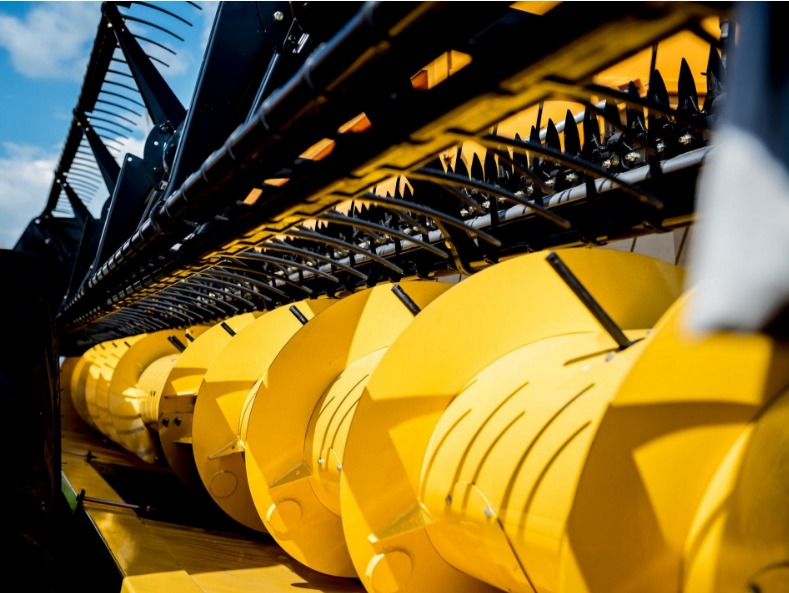
What Are ACE Powder Coatings
ACE powder coatings are a type of industrial protective coating specifically designed for agricultural machinery and construction equipment. Their core value is to ensure that equipment maintains its appearance and structural integrity over the long term under harsh operating conditions.
Characteristics of ACE Powder Coatings
The main characteristics of ACE powder coatings are as follows.
Excellent Weather Resistance: They can withstand extreme weather conditions ranging from intense sunlight and acid rain to severe cold and frost. The coating provides good gloss and color retention and is resistant to chalking and fading.
Excellent Chemical Corrosion Resistance: They can effectively resist the erosion of corrosive chemicals such as engine oil, fertilizers, pesticides, and deicing agents.
Outstanding Mechanical Performance: The coating is strong and wear-resistant, with excellent impact and scratch resistance, enabling it to withstand continuous vibration, impact, and wear during the daily operation of heavy equipment.
Critical Edge Coverage: Special high-edge-coverage-rate formulations are designed for sharp edges formed by welding and cutting, effectively preventing rust in these areas that are most vulnerable to corrosion.
Environmentally Friendly and Efficient: These are powder coatings with zero VOC emissions that comply with increasingly stringent environmental regulations. Some products can replace traditional multi-coat liquid paint systems with a single coating layer, shortening working hours and reducing costs.
Long-Lasting Appearance: Excellent color retention and UV resistance ensure that equipment maintains vivid corporate brand colors even after long-term outdoor use.
Functions of ACE Powder Coatings
The main functions of ACE powder coatings are reflected in the following aspects:
1. Excellent Weather Resistance and Corrosion Protection
ACE equipment is exposed to sunlight, rain, wind, snow, and other extreme outdoor conditions for extended periods. During operation, it also frequently comes into contact with corrosive chemicals such as diesel fuel, engine oil, and fertilizers. ACE powder coatings use high-performance polyester resin systems to effectively resist UV radiation, salt spray, and chemical corrosion, preventing chalking, fading, and rusting of the coating. Some products can provide long-term protection in highly corrosive environments of C4 and above.
2. Excellent Mechanical Strength and Impact Resistance
The operation of heavy equipment involves continuous vibration, impact, and wear. ACE powder coatings have high adhesion, high hardness, and excellent flexibility, enabling them to withstand physical impact and scratching during daily operation and ensuring that the coating does not crack or peel under harsh conditions.
3. High Edge Coverage
Sharp edges formed by welding and cutting are the weakest areas for corrosion. Through special formulation design, ACE powder coatings can form an effective coating in these difficult-to-cover areas, preventing corrosion from spreading from the edges and safeguarding the structural integrity of the equipment.
4. Long-Lasting Color Retention and Enhanced Equipment Value
ACE powder coatings provide various gloss levels, including high gloss, semi-gloss, and matte, as well as customized color options. Their excellent color retention enables them to maintain the vividness of brand colors for extended periods. Good appearance protection significantly slows equipment aging and enhances the resale value of used equipment.
Applications of ACE Powder Coatings
Where are ACE powder coatings used? Their specific application areas are as follows:
1. Agricultural Machinery
This is one of the core application areas of ACE powder coatings. Agricultural machinery operates in fields for extended periods and must withstand multiple challenges, including sunlight and rain, mud and water, fertilizer and pesticide corrosion, and continuous vibration and wear.
Specific applications include:
(1) Tractors: As the primary equipment for field operations, tractors have extremely high requirements for coating weather resistance, corrosion resistance, and impact resistance. One case has shown that tractors coated with high-performance powder coatings had a coating peeling rate of only 0.5% during three consecutive years of field trials, far lower than the more than 5% rate of traditional coatings.
(2) Combine Harvesters and Balers: These machines operate under high-intensity conditions and need to withstand the erosion caused by grain dust and crop juices.
(3) Seeders and Fertilizer Spreaders: Long-term contact with soil and chemical fertilizers makes resistance to chemical corrosion and rust prevention particularly important.
(4) Logging Machines and Skidders: These machines operate in forest areas and need to withstand branch abrasion and humid environments.
(5) In addition, gardening tools such as lawn mowers also fall into this category.
2. Construction and Engineering Equipment
ACE powder coatings are also widely used in this field, with a focus on resisting high wear, high impact, and harsh outdoor environments at construction sites.
Specific applications include:
(1) Excavators, Bulldozers, Graders, and Road Rollers: These heavy engineering machines often operate in gravel and soil environments, requiring coatings with excellent impact resistance, scratch resistance, and wear resistance.
(2) Aerial Work Platforms and Forklifts: These applications need to balance protection and appearance and are typical equipment driving the industry's transition from liquid paint to powder coating.
(3) Trucks and Trailers: Long-distance transportation and outdoor parking impose strict requirements on coating weather resistance as well as gloss and color retention.
3. Mining and Special Equipment
This is one of the most demanding application scenarios for ACE powder coatings. The equipment is extremely large and has thick walls, while facing extreme physical wear and chemical corrosion.
Specific applications include:
(1) Mining Equipment and Large Excavators: These machines are exposed to ore dust, slurry, and heavy-load impact for extended periods. The coating's salt spray resistance and chemical corrosion resistance need to meet the requirements of highly corrosive environments of C4 and above.
(2) Large Drilling Rigs and Cable Machines: As well as roof beams, bases, and other ultra-thick structural components of coal mining machinery weighing 10–20 tons, these are key and challenging areas for powder coating applications. They require solutions for coating oversized workpieces and achieving uniform curing.
4. Key Components and Special Applications
In addition to complete machines, ACE powder coatings are also widely used for various key equipment components and special operating conditions:
(1) High-Temperature Components Such as Exhaust Pipes: Specialized high-temperature powder coatings can withstand temperatures from 200°C to 550°C, ensuring that components maintain protection and color stability under extreme thermal conditions.
(2) Heat-Sensitive Components Containing Seals and Hydraulic Components: Low-temperature-curing powder coatings can be used to complete coating without damaging heat-sensitive components, expanding the application range of powder coating.
(3) Various Structural and Cover Components: Including complex structural components such as drill rods, masts, and booms of engineering machinery, which can achieve efficient coating through in-line powder spraying processes.
How to Choose ACE Powder Coatings
When choosing ACE powder coatings, we may face difficulties in determining how to make the right selection. Based on our industry experience, we recommend focusing on the following aspects when selecting ACE powder coatings.
1. Classification by Weather Resistance Level
Currently, mainstream ACE products are divided into three clear grades according to weather resistance performance, from low to high. This is the primary basis for product selection:
(1) ACE 500 Standard Weather-Resistant Grade: Meets the basic requirements for conventional outdoor use and is suitable for applications that are relatively cost-sensitive and have relatively mild operating environments.
(2) ACE 1000 High Weather-Resistant Grade: After more than 12 months of Florida exposure testing, the 60° gloss retention rate is ≥50%. It is suitable for equipment exposed to strong sunlight, wind, and rain.
(3) ACE 2000 Super Weather-Resistant Grade: After more than 24 months of Florida exposure testing, the 60° gloss retention rate is ≥65%. It provides the highest level of UV protection and color and gloss retention, making it suitable for equipment exposed to extreme outdoor conditions for extended periods and effectively enhancing the resale value of used equipment.
2. Selection According to the Corrosion Protection System
Select an appropriate coating system according to the corrosive environment faced by the equipment, with reference to corrosion categories C1–C5:
(1) Single-Coat System: Can meet basic corrosion protection and appearance requirements in C4 and lower corrosive environments. It features a simple process, high efficiency, and relatively low cost.
(2) Primer Powder + Topcoat Powder (Two-Coat) System: Provides an excellent corrosion protection barrier and is suitable for C5 and higher highly corrosive environments, such as coastal areas, high-humidity environments, and environments involving intensive chemical exposure. The primer powder provides excellent salt spray and chemical corrosion resistance, while the topcoat powder provides appearance and weather resistance. The two work together to significantly extend equipment service life.
3. Evaluate Special Process Requirements
According to the equipment type and production line requirements, consider the following specialized solutions:
(1) High-Temperature Components: Components such as engine exhaust pipes require specialized high-temperature powder coatings that can withstand temperatures from 200°C to 550°C, ensuring color stability and preventing peeling.
(2) Large or Heat-Sensitive Components: For large thick-walled workpieces or components containing seals and hydraulic components, low-temperature-curing (Low-E) powder coatings can be selected to complete curing at lower temperatures, reduce energy consumption, and protect heat-sensitive components from damage.
(3) High-Efficiency Production Line Requirements: If higher production capacity and efficiency are required, fast-curing powder coatings can be selected to increase coating line speed.
Common Problems and Solutions for ACE Powder Coatings
The most common problems encountered during the use of ACE powder coatings are mainly reflected in the following aspects. Based on our industry experience, we propose corresponding solutions to help effectively solve the powder coating problems you encounter.
1. Early Rusting Caused by Insufficient Edge Coverage
Problem: Welding seams, cut edges, and other sharp edges are the areas most vulnerable to corrosion. If the coating is too thin or unevenly distributed in these areas, moisture and chemicals will penetrate preferentially, causing corrosion to spread from the edges.
Solution: Select an ACE-specific powder coating formulation designed for high edge coverage to ensure an effective protective layer forms along sharp edges. At the same time, ensure that the pretreatment process thoroughly removes contaminants such as welding slag and scale from the edges.
2. Salt Spray Corrosion Failure
Problem: ACE equipment operates for extended periods in humid, salt spray, or chemical environments, such as those involving fertilizers and deicing agents. If the coating's corrosion resistance is insufficient, blistering and corrosion expansion may occur, with corrosion becoming particularly severe at scratched areas.
Solution: Select a high-weather-resistant polyester resin system specifically developed for ACE applications and pay attention to the salt spray test data (ASTM B-117) of the product. For example, high-performance resins can increase neutral salt spray resistance to 1.500 hours or even more than 2.800 hours. For critical components, a primer powder + topcoat powder two-coat system can be used to strengthen corrosion protection.
3. Coating Adhesion Failure Caused by Poor Pretreatment
Problem: ACE components often have contaminants such as oil, rust, and welding slag on their surfaces. If pretreatment, including degreasing, pickling, phosphating/passivation, is incomplete, the coating will not adhere properly, resulting in peeling or accelerated corrosion.
Solution: Strictly implement the pretreatment process and monitor degreasing agent concentration, pH value, temperature, and total dissolved solids (TDS) during water washing. For large and complex workpieces, a dual pretreatment process combining sandblasting and chemical conversion coating can be used. Clean spray nozzles regularly to prevent clogging from affecting cleaning performance.
4. Pinholes and Cratering on the Coating Surface
Problem: Small holes (pinholes) or volcano-shaped depressions (craters) may appear on the coating surface, damaging coating integrity and affecting appearance. ACE components are heavy and complex in shape, making them more prone to such defects. Solutions:
Pinholes: Control the coating thickness to prevent it from becoming excessively thick (recommended not to exceed 100 μm); preheat porous workpieces such as cast iron before spraying to release gas from the pores; appropriately add degassing agents such as benzoin to the formulation.
Craters: Keep the spraying and curing environment clean and prevent contaminants with low surface tension, such as oil and dust, from entering the coating system. Suitable wetting agents can be selected in the formulation to improve the system's tolerance to contaminant particles.
5. Curing Damage to Heat-Sensitive Components
Problem: ACE equipment often contains components that are not resistant to high temperatures, such as hydraulic components, seals, and gaskets. Conventional powder coatings require curing at high temperatures of 180–200°C, which can damage these components and limit the application range of powder coating.
Solution: Select low-temperature-curing powder coatings that can complete curing at significantly lower temperatures, such as 160°C. This extends the protective advantages of powder coating to components containing seals or electronic components. At the same time, attention should be paid to the fact that low-temperature curing requires higher pretreatment quality. It is recommended to combine it with high-quality pretreatment processes such as zinc phosphating.
If you encounter problems that are difficult to resolve during the use of ACE powder coatings, please feel free to contact us at any time to obtain professional technical support, discuss solutions together, and promote the development of the powder coating industry.
We hope this article can provide you with a professional and reliable reference regarding the powder coating industry. We sincerely welcome you to consult us regarding powder coating product performance, industry standards, application methods, precautions, or any other related questions. We look forward to hearing from you at any time through messages or direct contact, so that we can provide you with more detailed product information, demonstration videos, or customized solutions to help you fully understand the various functions and advantages of our products.



Company Phone
+86-21-6420 0566
Working hours
Monday to Friday
Mobile phone:
13816217984
Email:
info@qinsun-lab.com