Time: Popularity:0times
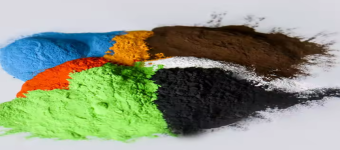
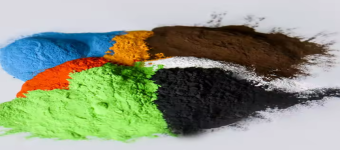
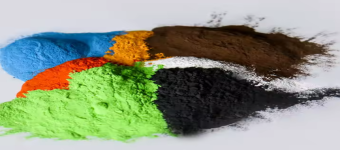
High-end color powder coating refers to functional powder coatings that focus on exceptional color performance, superior weather resistance and color retention, and high consistency between batches. They use high-quality pigments and advanced dispersion processes to meet the stringent appearance and durability requirements of high-end architecture and consumer products.
This article systematically introduces the concept, characteristics, functions, applications, selection considerations, and solutions to common problems of high-end color powder coatings, with a focus on the specific applications of high-end color powder coatings, to help you better understand what high-end color powder coatings are and their characteristics and functions.
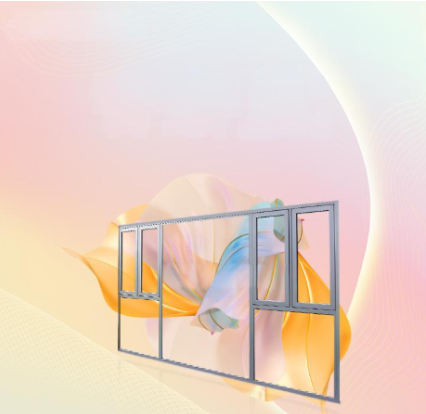
High-end color powder coating achieves visual effects such as metallic, pearlescent, stone-like, and metal-like finishes that previously existed only in liquid coatings or natural materials through bonding technology or special pigment engineering in super-durable resin systems, such as fluoropolymer or super-durable polyester systems, while ensuring high color consistency between batches.
What types of effects are available for high-end colors? The main effect types are as follows.
1. Metallic and Pearlescent Effects
This is the core category of high-end color powder coatings. It specifically includes:
(1) Metallic Sparkle: Bonding technology is used to fix aluminum powder and other metallic pigments onto the powder particles, providing a uniform metallic sparkle.
(2) Pearlescent Effect: It presents a soft luster similar to natural pearls and is available in various shades such as “Pearl White,” “Champagne Gold,” and “Antique Bronze Pearl.”
(3) Anodized Effect: It simulates the appearance of anodized aluminum, providing a low-gloss, smooth metallic texture while also helping hide minor surface defects of the substrate.
2. Special Texture and Tactile Effects
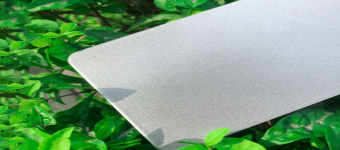
(1) Snowflake Texture/Fine Texture: A matte, delicate sand-textured surface that provides a soft tactile feel while offering excellent scratch resistance and the ability to conceal substrate defects.
(2) Hammered Texture: A classic decorative texture that presents an uneven hammered effect.
(3) Wrinkle Texture: The surface presents a wrinkle-like texture and is commonly used for toolboxes, fitness equipment, and other products.
(4) River Texture: A high-gloss flowing texture effect.
3. Natural Material-Like Effects
(1) Concrete/Speckled Effect: An industrial-style concrete appearance is achieved on aluminum, with subtle speckled textures.
(2) Weathering Steel Effect: It simulates the rusted texture of weathering steel while avoiding the actual rust runoff and staining problems of weathering steel.
(3) Terracotta Effect: It simulates the color tones and textures of natural terracotta and glazed terracotta, providing shades such as earthy ochre red, warm amber yellow, and pine forest green.
(4) Wood Grain Effect: A realistic wood grain appearance is achieved on powder coatings through a sublimation process.
The main characteristics of high-end color powder coatings are as follows.
Super-Durable Weather Resistance Is the Baseline
The binder must be based on a fluoropolymer system and meet the AAMA 2605 standard: after 10 years of Florida exposure, color fading ≤5ΔE and gloss retention >50%.
High Color Stability Between Batches
Effect pigments are uniformly dispersed, recovered powder can be recycled, and nozzle clogging is less likely to occur during spraying.
20–30 Years of Color and Gloss Retention Warranty
The product comes with long-term color and gloss warranties to meet the durability requirements of landmark buildings and high-end consumer products.
Diversified Colors and Textures
It covers a variety of visual and tactile experiences, including metallic luster, sparkling effects, and ultra-matte anodized textures.
The main functions of high-end color powder coatings are reflected in the following aspects:
Achieving Special Visual Effects Previously Impossible with Powder Coatings
This is its core function. Traditional powder coatings have strong hiding power when decorating metal substrates, which can conceal the metallic luster. High-end color powder coatings, through a dye-based light-transmitting system, maintain the luster of the metal substrate while adding bright colors, giving the metal surface a decorative effect similar to anodizing.
Providing Systematic Color and Texture Options
High-end color powder coating is not a single effect but a systematic color solution.
Locking in Long-Term Durability While Achieving Color Effects
This is the key difference between high-end color powder coatings and ordinary decorative powder coatings.
Where are high-end color powder coatings used? Their specific application areas are as follows:
Building Curtain Walls and Aluminum Profiles
This is the most mature application scenario for high-end color powder coatings. Anodized-effect series are suitable for window and door systems, louvers, guardrails, sunshades, perforated aluminum panels, curtain walls, and storefront facades. Aluminum profiles and aluminum curtain walls are the core application substrates for metallic effect powder coatings. Architectural applications require certifications such as Qualicoat Class 2 and AAMA 2604/2605 to ensure long-term color and gloss retention.
Automobiles and Motorcycles
Automotive wheels, exterior components, and body trim are important application areas. Wheels, bumpers, exterior metal components, and other parts can be given metallic sparkle and pearlescent effects while meeting OEM weather resistance and appearance standards. Motorcycles and bicycles also require coatings that combine durability with visual appeal.
High-End Home Appliances and Consumer Electronics
Home appliances are one of the fastest-growing application areas for metallic effect powder coatings. Metallic powders have been widely used on high-end models of washing machines, refrigerators, electric water heaters, range hoods, dishwashers, and other home appliances as alternatives to metallic paint and electroplating. Special texture effects such as snowflake textures are particularly suitable for high-end household appliances and metal furniture. Consumer electronics and mobile device housings also require pearlescent, metallic, and special color effects.
Furniture and Interior Decoration
High-end office furniture, metal furniture, indoor and outdoor leisure furniture, lighting fixtures, and other products have high requirements for color, texture, and batch-to-batch consistency.
Sports Equipment and Outdoor Gear
Bicycles, personal watercraft, fitness equipment, gardening tools, and other products require coatings that are weather-resistant and visually distinctive.
When selecting high-end color powder coatings, we may face the problem of not knowing how to choose. Based on our industry experience, we recommend focusing on the following aspects when selecting high-end color powder coatings.
Set “Super-Durable Weather Resistance” as the Baseline
The binder of high-end color powder coatings must be based on a fluoropolymer system (FEVE or PVDF), which is the prerequisite for achieving long-term color and gloss retention. During selection, directly request an AAMA 2605 certification report from the supplier and confirm that after 10 years of Florida exposure, color fading is ≤5ΔE and gloss retention is >50%. Without this certification, regardless of how impressive the color is, it does not belong to the category of high-end color powder coatings.
Match the Product According to the “Color Effect Type”
This is the core selection criterion that distinguishes high-end color powder coatings from ordinary super-durable powder coatings. Different effects have completely different requirements for pigment engineering:
(1) Metallic Sparkle Effect: Give priority to products using the bonding process. Bonding technology thermally bonds metallic pigments to the surface of powder particles, solving the problems of powder “spitting,” color variation, and unusable recovered powder associated with dry-blended metallic powders. It provides high color consistency between batches, with minimal differences between recovered powder and virgin powder.
(2) Anodized Effect: The supplier needs to have technical capabilities in dye-based light-transmitting systems. These products maintain the luster of the metal substrate through dyes that transmit light through the coating while adding color, whereas traditional powder coatings cannot achieve this due to their strong hiding power.
(3) Special Texture Effects (Fabric Texture, Snowflake Texture, etc.): Pay attention to the supplier’s technology for combining texturing agents and bonding agents. Patent data shows that by thermally bonding a composite bonding agent (metallic pigments + texturing agents) to the surface of the base powder, texture effects that previously existed only in liquid coatings can be achieved while maintaining batch stability and weather resistance.
Conduct Small-Batch Trial Spraying
High-end color powder coatings are significantly affected by spraying parameters. It is recommended to:
(1) Prepare samples before mass production and observe the color, uniformity of metallic sparkle, and leveling effect.
(2) Use powder from the same batch for the same project whenever possible. If construction is carried out in multiple batches, sufficient standard color panels must be prepared at the factory as comparison references.
(3) Confirm the policy for using recovered powder. Bonded metallic powder theoretically supports 100% recovery, but the proportion should be controlled according to the supplier’s recommendations.
The most common problems encountered during the use of high-end color powder coatings are mainly reflected in the following aspects. Based on our industry experience, we propose corresponding solutions to help effectively solve the powder coating problems you encounter.
Color Differences and Effect Variations Between Batches
Problem: After powder coating, different batches show inconsistent colors or metallic effects, or color shifts occur within the same batch as the recovered powder ratio changes.
Possible Causes: The batch-to-batch consistency of metallic effect powder itself cannot be guaranteed at 100%. More importantly, the “orientation” of effect pigments—that is, the arrangement direction of metallic flakes in the coating—determines the final metallic effect and color, and any application parameter may affect this orientation. When the recovered powder ratio is unstable, the concentration and distribution of effect pigments change accordingly, resulting in color shifts.
Solution: Lock the ratio at 70% virgin powder / 30% recovered powder and strictly follow it; complete the entire spraying operation on the same production line with the same equipment parameters, avoiding equipment changes or long interruptions during production; if a custom color is required, request the supplier to provide the production color panel for that batch as the acceptance reference.
Metallic Spots and “Powder Spitting” Defects
Problem: Isolated metallic particles or spots appear on the coating surface, or the spray gun “spits powder” during spraying, causing localized accumulation of metallic pigments.
Possible Causes: In non-bonded metallic powders, effect pigments are added through post-blending and are only physically mixed with the base powder, making them prone to separation during spraying. Powder agglomerates attached to the spray gun nozzle or deflector plate may intermittently fall off and deposit onto the workpiece surface along with the powder flow, forming “metallic characteristic spatter.”
Solution: Give priority to bonded metallic powders, in which effect pigments are thermally bonded to the surface of resin particles, greatly reducing the tendency to separate. During spraying, perform intermediate cleaning regularly to remove powder deposits from the nozzle and deflector plate. Use a flat-spray nozzle suitable for metallic powders or an impact disc with internal ventilation to maintain a uniform powder cloud pattern.
“Clouding” or Uneven Light and Dark Areas
Problem: Irregular light and dark stripes or a “cloud-like” effect appear on the coating surface, with uneven distribution of metallic sparkle.
Possible Causes: The spray gun is too close to the workpiece, the sinusoidal movement of the spray gun does not match the required pattern, powder delivery is unstable, poor grounding causes electric field distortion, and uneven film thickness. Differences in film thickness directly change the orientation of metallic flakes in the coating, thereby producing visually uneven light and dark areas.
Solution: Increase the spray gun distance to more than 40 cm and optimize the matching between the spray gun movement curve and conveyor speed. Ensure that the workpiece and hangers are properly grounded (resistance not exceeding 1 megohm at 500V). Maintain uniform film thickness and avoid manual spraying. Manual spraying is highly prone to producing clouding due to large variations in film thickness and should be performed after automatic spraying or avoided as much as possible.
Performance Drift Caused by the Use of Recovered Powder
Problem: As the proportion of recovered powder increases, the metallic effect weakens, the color becomes grayer, or the “missing metallic effect” phenomenon occurs.
Possible Causes: Bonded powder has better recovery stability than non-bonded powder, but prolonged residence in the recycling system can still result in effect loss and color changes. Non-bonded powder is not recommended for use in recycling systems because metallic flakes separate from the base powder during recovery and cannot maintain uniform distribution.
Solution: When using bonded powder in a recycling system, regularly add virgin powder and do not allow the proportion of recovered powder to continuously increase. For non-bonded metallic powder, a “spray-to-waste” mode is recommended, or at least a small amount of virgin powder should be continuously added during recycling to maintain stability.
Are you looking for premium colored powder coatings that combine rich color, consistent quality, and superior coating performance?
We offer a diverse range of premium colored powder coating solutions, customizable to meet specific requirements for color, gloss, surface finish, and performance. Suitable for furniture, architecture, home appliances, metal products, and other industrial sectors, our solutions enhance product aesthetics, surface texture, corrosion resistance, and weatherability.
Contact us to receive tailored color schemes, product specifications, gloss levels, performance data, samples, and price quotes.
Get in touch today to create a professional powder coating solution for your products that delivers both exceptional color and performance.


Company Phone
+86-21-6420 0566
Working hours
Monday to Friday
Mobile phone:
13816217984
Email:
info@qinsun-lab.com