Time: Popularity:0times
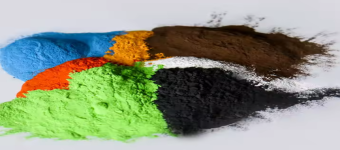
PVDF powder coating is a thermoplastic powder coating that uses polyvinylidene fluoride resin as its primary film-forming material. It is mainly used for high-end architectural aluminum profiles, metal curtain walls, and chemical corrosion protection.
This article provides a systematic introduction to the concept, characteristics, functions, applications, selection considerations, and solutions to common problems associated with PVDF powder coatings. It focuses on the specific applications of PVDF powder coatings to help readers better understand what PVDF powder coatings are, as well as their characteristics and functions.
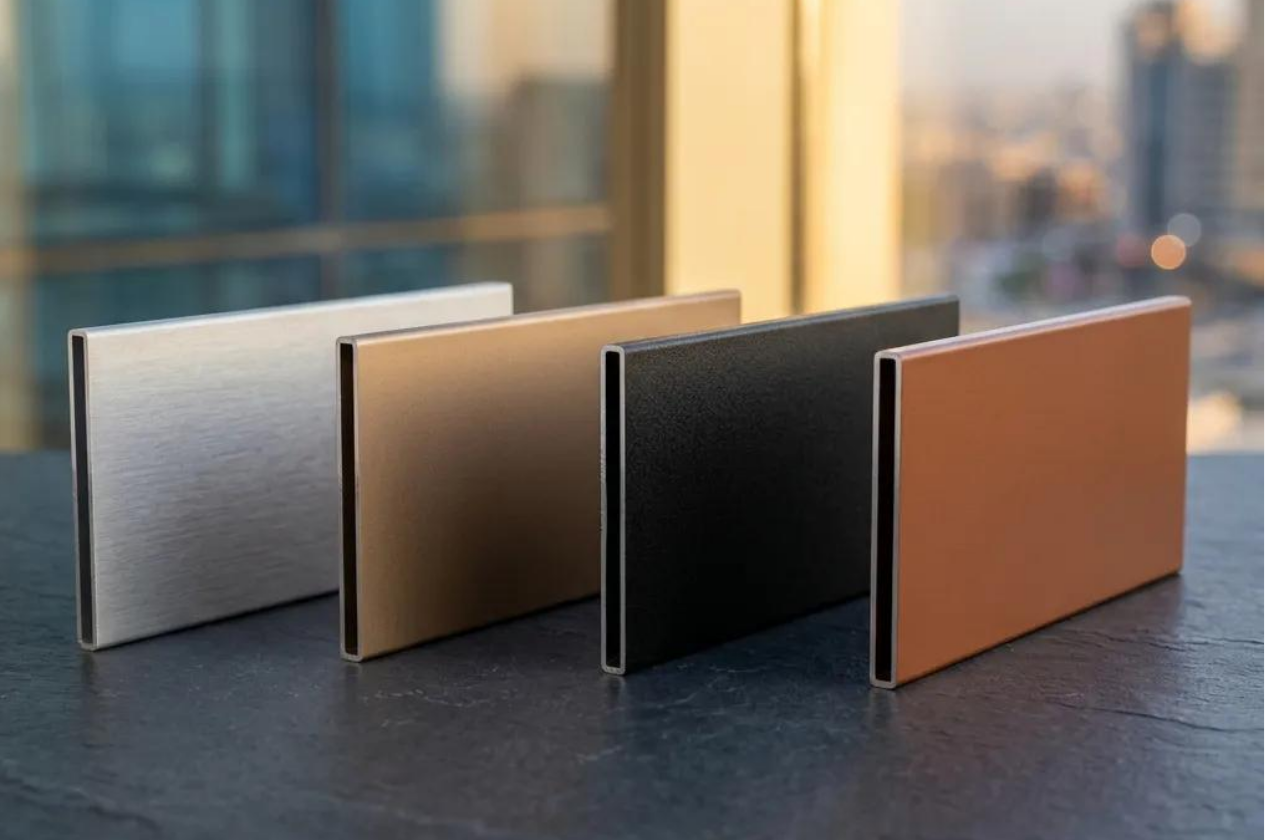
PVDF powder coating is a thermoplastic powder coating that uses polyvinylidene fluoride (PVDF) resin as its primary film-forming material. In practice, it is usually not pure PVDF but a blend of PVDF and thermoplastic acrylic resin, supplemented with pigments and functional additives. After electrostatic spraying, it forms a film through high-temperature melting. Its core value lies in providing outstanding outdoor weather protection.
The main characteristics of PVDF powder coatings are as follows.
1. Outstanding weather resistance: Based on resin technology derived from the same source as liquid PVDF, PVDF powder coatings offer excellent gloss and color retention during prolonged outdoor exposure, along with strong resistance to chalking. They are suitable for outdoor architectural applications with stringent durability requirements.
2. Good flexibility and impact resistance: The coating film is formed from thermoplastic resin and is less prone to brittle cracking under mechanical stress, making it suitable for workpieces that must withstand a certain degree of deformation or impact.
3. Poor adhesion as a single coating layer: PVDF itself has poor wettability and insufficient bonding strength with metal substrates. A single coating layer is therefore prone to peeling. In practical applications, it usually needs to be used with a dedicated primer powder or primer.
4. Environmental friendliness and efficiency: Powder coatings contain no solvents, and VOC emissions are close to zero. Oversprayed powder can be recovered and reused, resulting in significantly higher material utilization than liquid coatings.
The main functions of PVDF powder coatings are reflected in the following aspects:
1. Outdoor weather protection: Coatings based on PVDF resin can withstand prolonged exposure to ultraviolet radiation, acid rain, and pollution. They provide decades of gloss and color retention on outdoor metal surfaces such as architectural aluminum profiles and metal curtain walls, preventing chalking and fading.
2. Corrosion protection in demanding industrial environments: They can form thick coating films for use on chemical storage tanks, valves, pumps, pipelines, and high-purity manufacturing components. They can withstand acids, alkalis, halogenated chemicals, petrochemical products, and continuous wear. Some grades can be safely used in applications involving repeated food contact.
3. Improved appearance and environmentally friendly application: Fluorinated additives can reduce surface defects such as orange peel, craters, and pinholes, producing a smooth coating. As powder coatings contain no solvents and oversprayed powder can be recovered, they reduce the environmental burden of the coating process.
When selecting PVDF powder coatings, we may face difficulties in determining which product to choose. Based on our industry experience, we recommend focusing on the following aspects when selecting PVDF powder coatings.
1. Select According to Application Scenarios and Standards
(1) Architectural aluminum profiles and curtain walls: This is the most common application for PVDF powder coatings. When selecting a product, confirm whether it complies with the weatherability standards recognized in the target market, such as AAMA 2605. and require the supplier to provide corresponding accelerated weathering or natural exposure data. PVDF offers better gloss and color retention and resistance to chalking than conventional polyester powder coatings, making it suitable for projects with stringent long-term appearance retention requirements.
(2) Industrial corrosion protection and special functions: For applications involving chemical equipment or high-cleanliness components, additionally confirm the list of chemical media the coating can withstand and its compliance with food-contact requirements, such as FDA requirements. Some PVDF powder coatings can form thick coating films for applications involving storage tanks, valves, and similar equipment.
2. Adhesion Problems Must Be Addressed
Poor adhesion of single-layer PVDF powder coatings to metal substrates is an engineering limitation that must be taken seriously during product selection.
(1) Compatible primer powder or primer: First, confirm with the supplier whether a compatible PVDF primer powder is available or whether a two-coat, one-bake process using thermosetting powder coatings, such as polyester or epoxy-polyester, as the primer is permitted. The primer establishes an adhesion bridge between the substrate and the PVDF topcoat.
(2) Substrate pretreatment: Aluminum materials require chromating or chromate-phosphating treatment. For some demanding environments, a primer is recommended to enhance protection. Pretreatment quality directly determines the final adhesion performance. Therefore, the powder coating and pretreatment process should be evaluated and confirmed as an integrated system during product selection.
3. Verify the Application Process Window
The melting and film-forming characteristics of PVDF powder differ from those of conventional thermosetting powder coatings, so it is necessary to confirm whether the existing production line can meet the requirements.
(1) Curing temperature and time: PVDF powder coatings generally require relatively high temperatures for melting and leveling. Formulations vary among products, so obtain the specific curing window, including the temperature-time curve, from the supplier and confirm that the curing oven can consistently achieve the required conditions.
(2) Film thickness control: The typical film thickness for architectural applications is approximately 50–75 μm. An excessively thin film can compromise coverage and weather resistance, while an excessively thick film may aggravate orange peel or affect intercoat adhesion. The optimal process window should be determined during trial spraying.
The most common problems encountered when using PVDF powder coatings mainly involve the following aspects. Based on our industry experience, we propose targeted solutions to help effectively resolve powder coating problems you may encounter.
1. Poor Adhesion / Coating Peeling
Problem description: The PVDF coating does not bond firmly to the metal substrate, and a single coating layer is prone to peeling. This problem is particularly pronounced with thick coatings or improper cooling conditions.
Possible causes: PVDF is a thermoplastic resin. After melting and film formation, it does not develop a chemically crosslinked network, and its natural wettability and bonding strength with metal substrates are insufficient. The thicker the coating, the greater the shrinkage stress at the interface, increasing the likelihood of detachment.
Solutions: Use a two-coat, one-bake process, applying a thermosetting powder coating, such as polyester, polyurethane, or acrylic powder, as the primer. Spray the PVDF topcoat before the primer has cured, then bake both layers together. This allows the primer to establish an adhesion bridge. Another approach is to select modified PVDF products, such as formulations modified through grafting with glycidyl methacrylate (GMA) to improve compatibility with the substrate and acrylic components. In addition, substrate pretreatment, such as phosphating or chromating, and appropriate control of the cooling rate also affect final adhesion.
2. Orange Peel / Poor Surface Smoothness
Problem description: The coating surface exhibits pronounced uneven textures, reducing gloss and distinctness of image. This is particularly noticeable on high-gloss or light-colored finishes.
Possible causes: The melt viscosity characteristics of PVDF powder differ from those of thermosetting powder coatings, resulting in a narrower leveling window. An unsuitable powder particle size distribution can intensify localized eddy effects and produce orange peel. This is one of the known problems associated with ultrafine PVDF powder applications.
Solutions: Adding a small amount of a fluorinated terpolymer (VDF/TFE/HFP) to the formulation can effectively reduce surface roughness and minimize pinholes and craters. At the same time, optimize the powder particle size distribution to ensure an appropriate ratio of fine to coarse particles and prevent localized differences in leveling caused by uneven particle sizes.
3. Blistering / Uneven Surfaces in Thick Coatings
Problem description: When a relatively thick film is applied in a single spraying operation, vertical protrusions or blister-like defects appear on the coating surface. This problem is more likely to occur in thick-film PVDF corrosion protection applications.
Possible causes: When PVDF reaches its melting temperature, approximately 193–205°C, the release of gas or stress within the coating can cause the surface to bulge. The risk of protrusions increases if spraying is interrupted or the coating cools too quickly.
Solutions: For thick-film applications, spray and heat in stages. Before a large number of protrusions develop, return the workpiece to the oven to remelt and level the coating. At the same time, control the substrate preheating temperature and spraying sequence to prevent excessive additional coating buildup while the existing layer is in a cooled state.
4. Low Powder Deposition Efficiency / Difficult Powder Recovery
Problem description: Ultrafine PVDF powder has relatively low deposition efficiency during electrostatic spraying, and oversprayed powder is difficult to recover and reuse, reducing material utilization.
Possible causes: Powder charging behavior is related to the square of particle size. Particles that are too fine, especially those smaller than 10 μm, have poor charging characteristics and are difficult to drive effectively onto the workpiece surface using an electrostatic field. PVDF powder often requires a fine particle size to achieve good leveling, creating a conflict between these requirements.
Solutions: Blend an appropriate proportion of coarser particles with the fine powder to balance charging behavior and leveling performance, or adjust the spray gun voltage and powder feed air pressure to assist fine-particle deposition mechanically. Recovered powder should be blended with virgin powder at an appropriate ratio. Avoid using only recovered powder, as this may cause deposition efficiency to continue declining.
PVDF Powder Coating Customization and Selection Services
For the surface finishing of architectural aluminum profiles, curtain walls, and other metal components requiring high weather resistance, we provide professional PVDF powder coating solutions that balance weatherability, corrosion resistance, color and gloss retention, and coating durability.
You are welcome to submit your workpiece material, application environment, performance specifications, and target coating requirements to obtain tailored product selection recommendations and customized technical support.


Company Phone
+86-21-6420 0566
Working hours
Monday to Friday
Mobile phone:
13816217984
Email:
info@qinsun-lab.com